Buying your first home around Bangor can feel like a moving target. Prices, condition, location, and commute all pull in different directions, especially in a market where older homes make up much of the available stock. The good news is that starter-home options do exist across Greater Bangor if you know where to look and what tradeoffs to expect. Here’s how to think through your options with a clear, practical plan.
What the Bangor market looks like now
Bangor is the regional hub for Greater Bangor, with a population of 31,753 and a median household income of $59,942. The city also has a 47.2% owner-occupied housing rate, which points to a market with both homeowners and a large renter base. That mix helps explain why entry-level inventory can draw steady attention.
In March 2026, Redfin reported a median sale price of $284,900 in Bangor and 75 days on market. Zillow reported a typical home value of $281,560, with 76 homes for sale and 48 days to pending. For you as a buyer, that means the starter-home search is still possible, but affordability and condition matter more than ever.
Bangor’s 2025 housing study adds important context. Total housing supply grew only 0.2% from 2012 to 2022, and 83% of homes were built before 1990. In the same report, the city noted that by 2022 the income needed to buy a median-price home had risen above the city’s median household income.
Why starter homes look different here
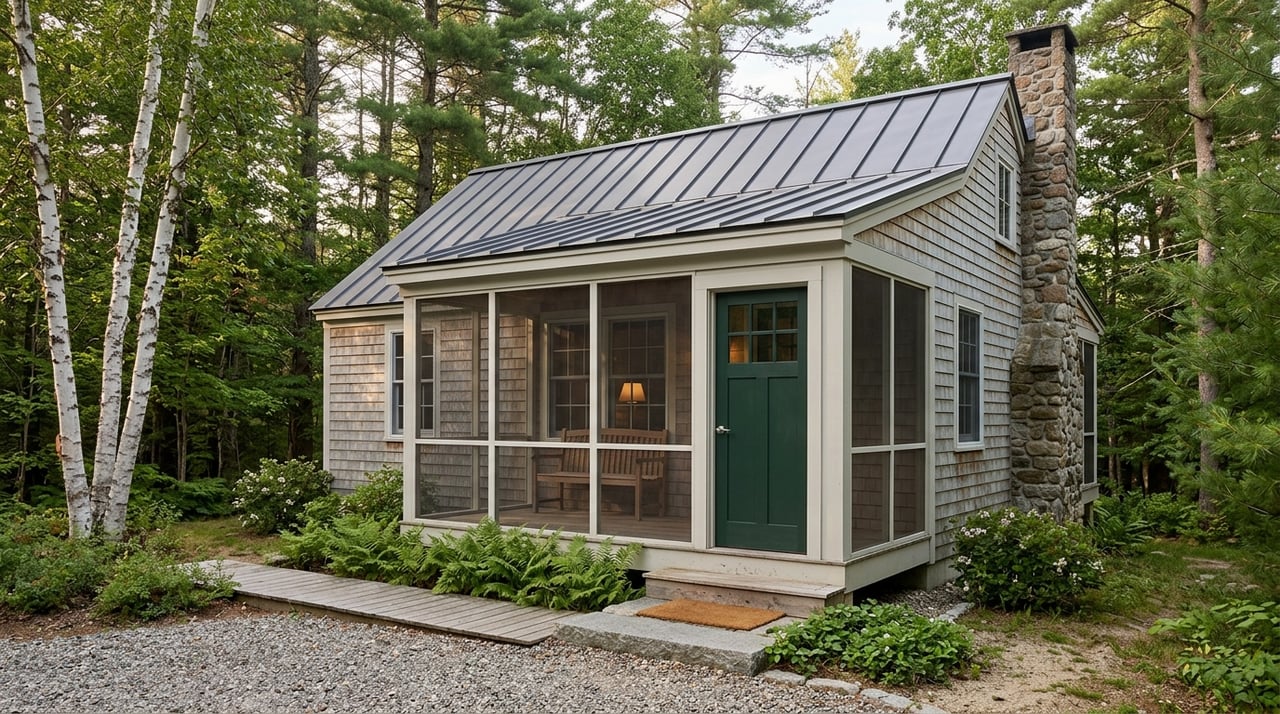
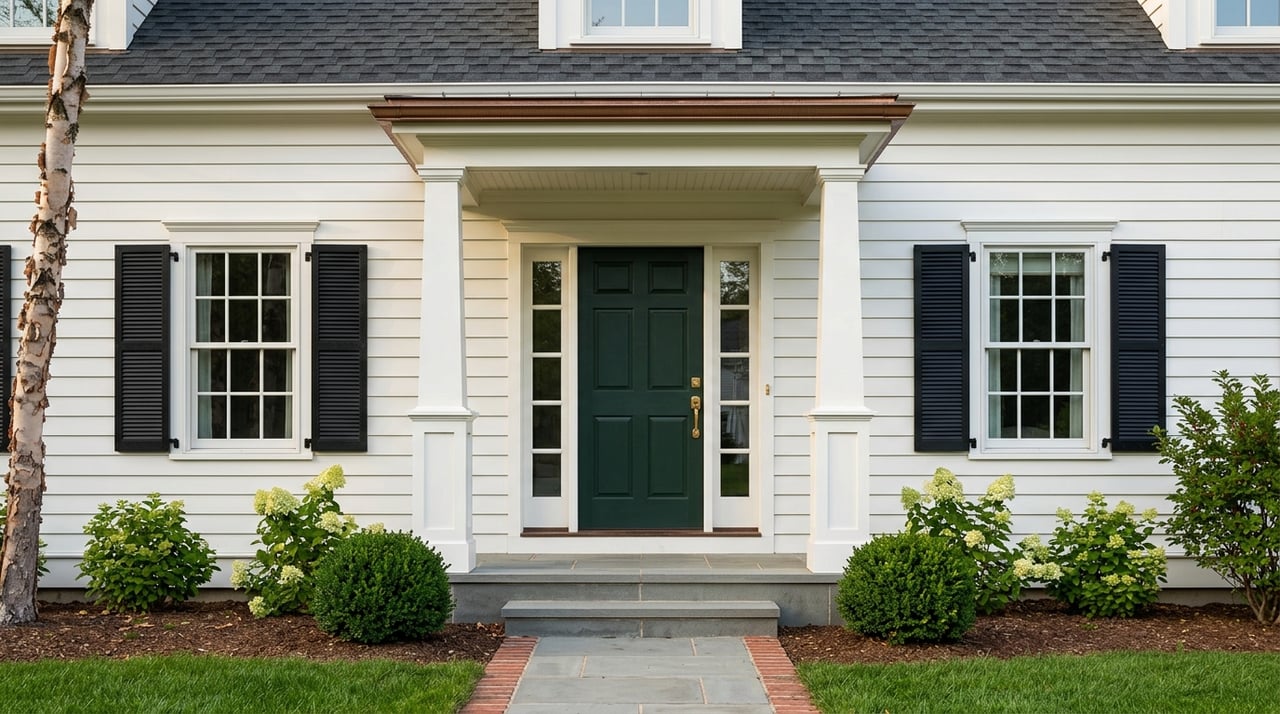
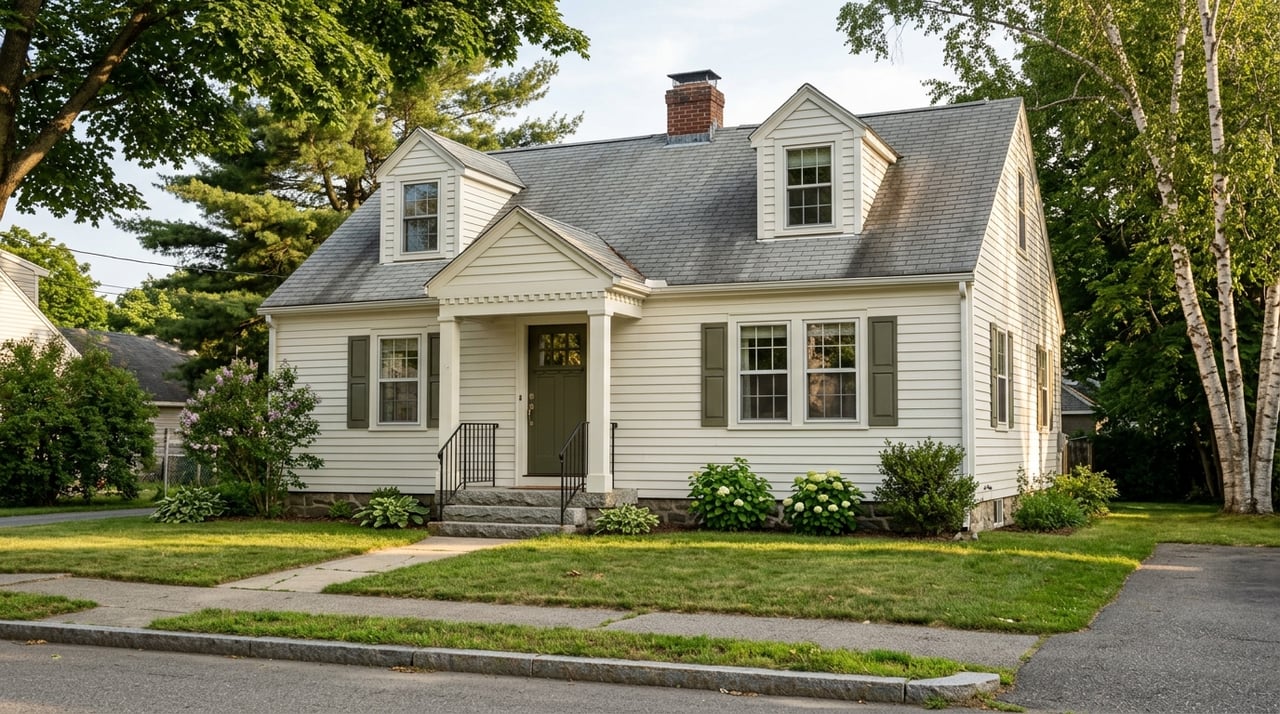
In Greater Bangor, a starter home often is not a brand-new house with every finish updated. More often, it is an older detached home on a smaller lot, such as a cape, ranch, or similar postwar-style property. These homes can offer a lower entry price, but they may also need repairs or modernization.
That age factor is one of the biggest parts of the local equation. Bangor’s housing study warns that aging housing stock can become obsolete if it is not maintained. For you, that means the best value is not always the cheapest list price. It is often the home with manageable repair needs, solid fundamentals, and a location that fits your daily routine.
Starter-home options inside Bangor
Older single-family homes
If convenience is high on your list, Bangor itself is often the first place to search. Much of the city’s housing stock is older, and many homes fall into the practical starter-home category with two to three bedrooms. These homes can put you closer to work, services, and daily errands while keeping your search centered in the region’s main service hub.
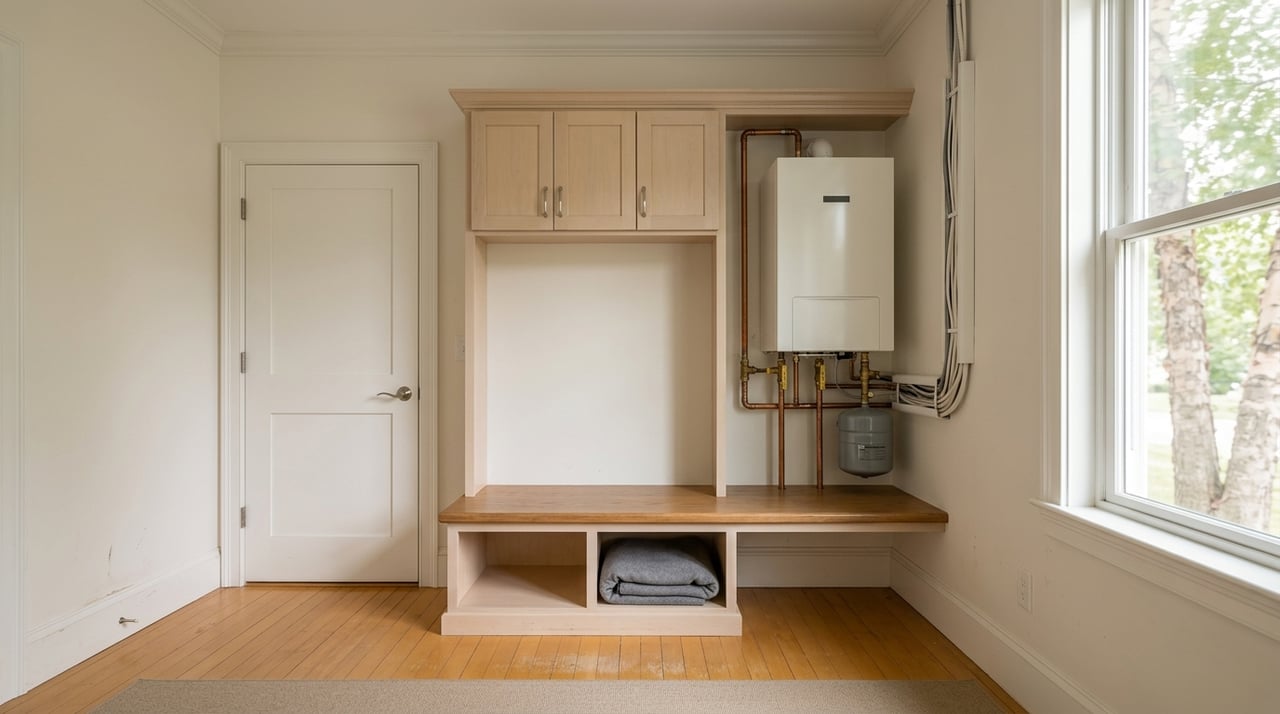
The tradeoff is condition. Older homes may need updates to roofs, heating systems, windows, insulation, or electrical components. That does not make them a bad choice, but it does mean you should budget for inspections, repairs, and energy-efficiency improvements from the start.
Duplexes and small multifamily homes
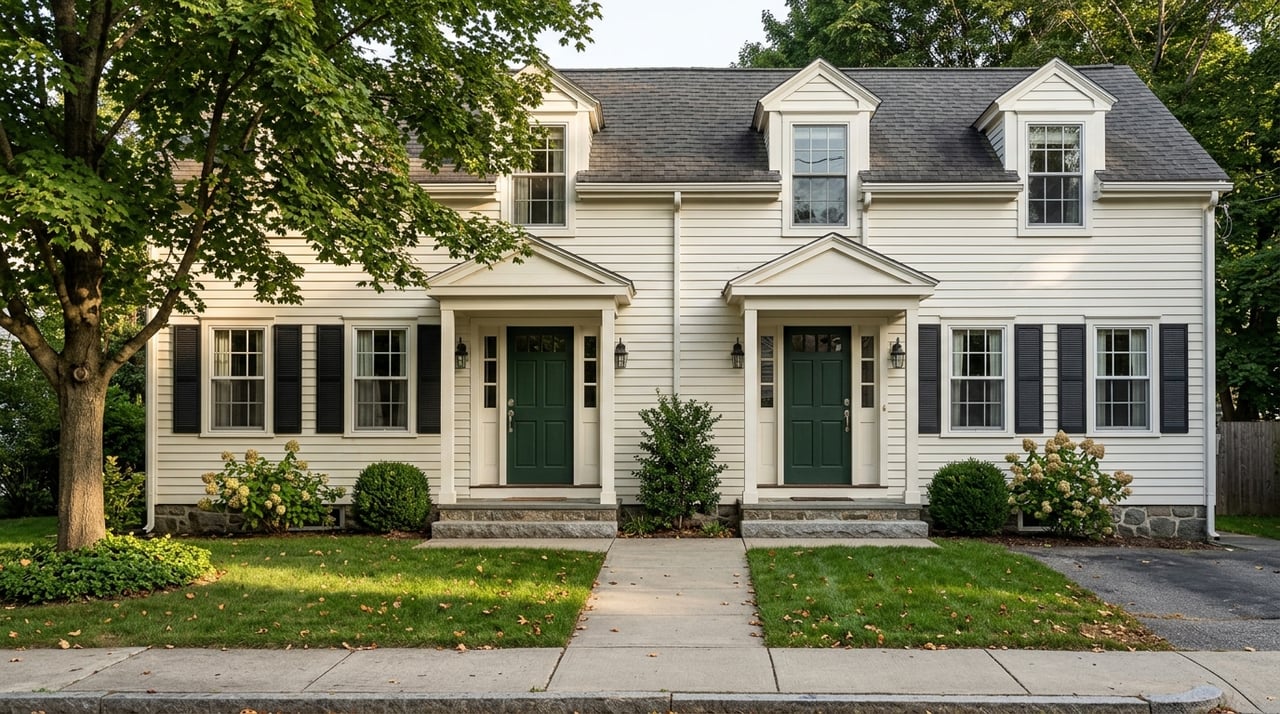
One of the more realistic affordability paths in Bangor is an owner-occupied 2-4 unit property. The city’s housing study notes that Bangor has a large number of duplexes, many of them converted from former single-family homes. For some buyers, living in one unit and renting the other can improve monthly affordability.
This option is not right for everyone, but it can be a strong fit if you want to build equity while offsetting costs. It also lines up well with a market where supply is limited and housing types are more varied than in a typical suburban subdivision.
Townhome-style entry options
Bangor’s housing study specifically points to townhomes as ideal entry-price homes because they are smaller and cheaper to build than detached homes. They may not be the most common product on the market, but they are worth watching if your top goals are lower maintenance and a more approachable price point.
Newer homes on the city fringe
If you want something newer, your options may be more limited, but not impossible. Bangor’s housing study says recent housing delivery has often come from renovations or conversions rather than large new subdivisions. Still, the report highlights the Maine Woods project, a 30-home development with 3-bedroom units close to public amenities.
That matters because newer homes can reduce early repair risk. If you are balancing a tighter budget with concern about major systems, edge-of-city opportunities can be worth monitoring. The challenge is simply that there are fewer of them, so timing matters.
Nearby towns that expand your options
A Bangor-only search can make sense, but widening your map often creates better choices. Because Bangor functions as the service hub for the region, many nearby communities work well for buyers who want different tradeoffs in commute, lot size, setting, or housing style.
Brewer for close-in convenience
Brewer sits directly across the Penobscot River from Bangor and is connected by three bridges. The city also uses I-395 as a direct corridor to I-95. If you want short commute times and easy highway access, Brewer can be a practical place to look.
Veazie for a close-in residential setting
Veazie is a smaller residential community where many residents work in Bangor or Orono. That makes it a logical option if you want to stay close to the core while looking for a quieter setting.
Hampden for more space south of Bangor
Hampden is about five miles south-southwest of Bangor. Official town materials emphasize open space, rolling countryside, and preserved rural character alongside planned development. If your priority is a bit more space and a less in-town feel, Hampden may deserve a look.
Glenburn for rural residential variety
Glenburn describes itself as a small rural residential community about 8.5 miles from Bangor. The housing mix includes newer subdivision development and older homesteads. For buyers who want a rural feel without being far from Bangor, that variety can be useful.
Orono for a different town feel
Orono offers a thriving downtown, river access, and extensive trail and greenspace amenities. If you want a community with a different rhythm from Bangor while still staying connected to the region, Orono can widen the starter-home search.
Old Town for value and lifestyle fit
Old Town is an island community on the Penobscot and Stillwater rivers with a strong outdoor recreation identity. For some buyers, that setting may be a better fit than the Bangor core, especially if lifestyle and access to natural features matter as much as commute.
Transit and commuting considerations
If you want a search that supports public transit access, your most realistic options are within Bangor and the communities served by the Community Connector. Those six communities are Bangor, Brewer, Veazie, Orono, Old Town, and Hampden. That does not mean every property will offer the same convenience, but it does help narrow the map if transportation flexibility matters to you.
Bangor’s mean travel time to work is 16.6 minutes, according to Census QuickFacts. For many buyers, that supports a broader regional search because nearby towns can still offer manageable drives into the city.
The hidden cost: maintenance and upgrades
In the Greater Bangor starter market, age is often the biggest budget issue. Bangor’s housing study says older housing can create financial, health, and safety challenges if it is not maintained. That is why your real budget should go beyond the purchase price.
As you compare homes, account for:
- General home inspection findings
- Roof, siding, and window condition
- Heating system age and efficiency
- Insulation and weatherization needs
- Electrical and plumbing updates
- Cosmetic improvements versus true repair work
This is where a process-driven approach matters. A home that needs light cosmetic work is very different from one with deferred maintenance in major systems. Understanding that difference early can save you time, stress, and money.
Financing tools that may help
For eligible buyers, MaineHousing’s First Home Loan Program can be a useful resource. According to MaineHousing, it offers low fixed-rate mortgages with little or no down payment options. Its Advantage assistance can also provide $5,000 toward closing costs.
If you use Advantage, MaineHousing requires a hoMEworks-approved homebuyer education class and a 1% borrower contribution. The program covers new and existing single-family homes, condos, owner-occupied 2-4 unit properties, and permanently attached mobile homes built within the last 20 years.
For older homes that need work, MaineHousing’s Purchase Plus Improvement option may be especially relevant. The program can roll $500 to $35,000 of repairs into the mortgage. In a market like Bangor, where many starter homes are older, that can help you look at homes more flexibly.
How to choose the right starter-home path
The best starter home is not the same for every buyer. In Greater Bangor, your best fit usually depends on which tradeoff you are most comfortable making.
Here is a simple way to think about it:
| If you want... | You may prefer... |
|---|---|
| Shorter commute and access to services | Older in-town Bangor homes or close-in Brewer and Veazie options |
| Lower entry price efficiency | Duplexes, small multifamily properties, or townhome-style homes |
| Fewer repair concerns | Limited newer homes on the city fringe |
| More land or a rural setting | Hampden, Glenburn, Old Town, or other nearby towns |
The sweet spot for many buyers is staying flexible on finish level and location. You may get convenience by choosing an older in-town home, better monthly numbers by considering a duplex, or more space by widening your search beyond Bangor itself.
Why local guidance matters
Starter homes in this region are not just about square footage and price. They are also about condition, repair scope, and how a property fits your daily life. In a market with older housing and limited supply, a practical eye can make a big difference.
That is especially true when you are comparing homes that may look similar online but differ in maintenance history, layout efficiency, or future project costs. A buyer who understands the local market and the realities of older homes is in a much better position to make a confident choice.
If you are exploring starter-home options across Bangor, Brewer, Hampden, Veazie, Orono, Old Town, or nearby communities, working with someone who understands both the local inventory and renovation-sensitive decisions can help you move faster and with fewer surprises. When you are ready to map out your next step, connect with James A. Spear.
FAQs
What counts as a starter home in the Greater Bangor area?
- In Greater Bangor, a starter home is often an older single-family house, a smaller townhome-style property, or an owner-occupied 2-4 unit home that offers a more accessible entry point than higher-priced move-up homes.
Are Bangor starter homes usually older properties?
- Yes. Bangor’s 2025 housing study says 83% of the city’s homes were built before 1990, so many starter-home options come with older systems, deferred maintenance, or update needs.
Which towns near Bangor may offer more starter-home choices?
- Buyers often expand their search to Brewer, Veazie, Hampden, Glenburn, Orono, and Old Town to find different combinations of commute, setting, lot size, and housing style.
Can a duplex be a starter-home option in Bangor?
- Yes. Bangor has a meaningful number of duplexes and other small multifamily properties, and an owner-occupied 2-4 unit home can be a practical affordability path for some buyers.
Are there first-time buyer programs that may help in Maine?
- MaineHousing’s First Home Loan Program offers low fixed-rate mortgages, little or no down payment options, and Advantage assistance with $5,000 toward closing costs for eligible buyers.
Can repair costs be rolled into a mortgage for a Bangor-area home?
- In some cases, yes. MaineHousing’s Purchase Plus Improvement option can include $500 to $35,000 in repairs in the mortgage, which can be especially helpful for older starter homes.
Is it better to buy in Bangor or in a nearby town?
- That depends on your priorities. Bangor may offer more convenience and access to services, while nearby towns may offer different settings, lot sizes, or lifestyle tradeoffs with still-manageable commutes.