Dreaming about a camp near Bangor is the easy part. The real question is whether you know what comes with owning one after the keys are in your hand. If you are considering a seasonal home in the Greater Bangor area, it helps to understand the local mix of water access, utilities, permits, and winter prep before you buy. Let’s dive in.
Why camps appeal in Greater Bangor
In the Bangor area, a camp or seasonal home is often tied to a specific rhythm of use. You enjoy it during warmer months, then close it up carefully before winter sets in.
That lifestyle makes sense in a region shaped by the Penobscot River, lakes, ponds, and outdoor recreation. The Penobscot Region is known for fishing, paddling, and remote camping opportunities, which helps explain why seasonal ownership is so common here.
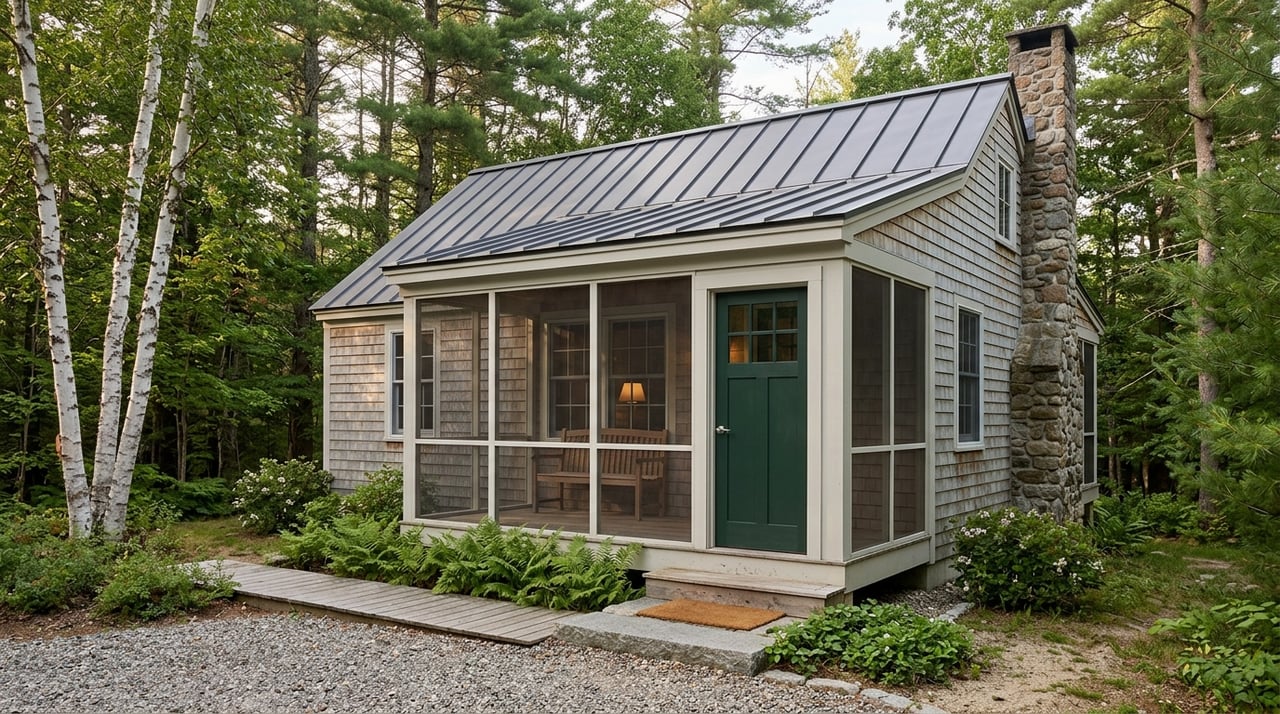
A local camp can take different forms depending on the setting. It might be a lakeside cottage, a simple cabin in the woods, a river-adjacent retreat, or a modest home on a camp road.
Water is often part of the draw, but not always in the way buyers first imagine. In Penobscot County, places like Hermon Pond, George Pond, Tracy Pond, Hammond Pond, Brewer Lake, Fields Pond, Eddington Pond, Pushaw Lake, and Pushaw Pond show how connected this market is to recreation and access to the outdoors.
What makes a camp different
A seasonal home in Greater Bangor usually comes with a different ownership checklist than a year-round house. The scenery matters, but so do the systems that support the property.
In many cases, access, well water, septic service, shoreline rules, and winterization become bigger parts of the decision. That is especially true if the property is older, more rural, or set back from a main road.
If you are comparing camps, it helps to think beyond square footage and views. You want to know how the property functions in real life, not just how it looks on showing day.
Check access and road conditions early
Access is one of the biggest differences between a seasonal camp and a standard home. Some properties sit on seasonal access roads or private gravel lanes, and those roads may not be maintained the same way as public roads.
Maine DEP notes that camp roads are often seasonal access roads and can create drainage and sediment issues if they are poorly built or maintained. For you as a buyer, that means asking direct questions early.
Key road questions to ask
- Who maintains the road?
- Is the road plowed in winter?
- How does access work during mud season or heavy snow?
- Is the property easy to reach with service vehicles?
- Are there any shared maintenance expectations?
These details can affect your day-to-day use, your off-season planning, and even how easily contractors can reach the property.
Confirm utility service by address
Utility service should never be assumed with a camp or seasonal property. Electric delivery territory in Maine is exclusive by utility, and Bangor is listed in Versant Power’s service area, while nearby towns may be served by other utilities.
That matters if you are evaluating service reliability, outage response, or possible upgrades. If a camp needs a panel update or a service entrance change, you want to know that before you make plans for renovation or expanded use.
For many buyers, this is where local experience matters. A camp may look simple on the surface, but utility questions can quickly become part of the budget and timeline.
Understand the water source
Water service is one of the first systems to verify. Some seasonal properties use a private well, while others may rely on a shared seasonal public water system.
Maine CDC says private wells are the owner’s responsibility, and the only way to know the water is safe is to test it. The agency recommends annual testing for coliform bacteria, E. coli, nitrates, and nitrites, plus broader testing every 3 to 5 years for other common contaminants.
What to ask about water
- Is the water source a private well or a shared seasonal system?
- When was the water last tested?
- What were the results?
- Is the system used year-round or shut down seasonally?
- Are there any known service or pressure issues?
If the property has a private well, location matters too. Maine CDC recommends at least 100 feet of horizontal separation between a private well and a private septic system.
That can be especially important with older camps, where the lot layout may be tighter than expected. In Maine, drilled bedrock wells are the most common source of drinking water for homes, but each property still needs to be evaluated on its own facts.
Look closely at septic systems
Septic is often one of the biggest practical issues in a camp purchase. A system may work fine for current seasonal use, but your plans for more frequent use or future updates may raise new questions.
Maine CDC says septic tanks should generally be pumped every 2 to 5 years depending on use. Maine DEP’s camp guidance notes that seasonal residences are often pumped every 4 to 5 years.
Septic questions worth asking
- When was the tank last pumped?
- How often has it been serviced?
- Is there any record of repairs or upgrades?
- Has the camp’s usage changed over time?
- Would your intended use put more demand on the system?
A septic system is not just a maintenance item. It can shape what is realistic if you want to add a bathroom, expand living space, or spend more of the year at the property.
Know the shoreland zoning rules
If the property is near water, shoreland zoning should be part of your due diligence from the start. In Maine, shoreland zoning applies within 250 feet of the normal high-water line of great ponds, rivers, tidal waters, and certain wetlands, and within 75 feet of defined streams.
The rules are administered locally, and Maine DEP says the municipal code enforcement officer is usually the first point of contact. In Bangor, the city’s permit materials show shoreland zoning permit applications along with permits for new buildings, additions, decks, plumbing, HVAC, and other common projects.
Why shoreland zoning matters
Even small projects can require review. If you want to improve the camp, rebuild a porch, add a deck, update systems, or do shoreline work, the permitting path may be part of the decision.
A good rule of thumb is simple: if the work is more than minor maintenance, check first. Maine DEP guidance also emphasizes erosion control, septic care, and protecting shoreline buffer areas.
Keep building conditions in perspective
Bangor’s current building-code page says the city enforces the amended Maine Uniform Building and Energy Code as of April 7, 2025. It also lists a 70 lb ground snow load and a 5-foot frost depth.
Those numbers matter more than many buyers expect. They can affect how you think about roofs, foundations, heating systems, and any substantial renovation.
If you are buying an older camp with plans to improve it over time, this is where a process-driven approach helps. You want to understand not only what needs work, but also what local conditions may require if you make changes.
Plan for winter before you buy
Many first-time camp buyers focus on summer use and underestimate off-season care. In Maine, winterization is a major part of responsible ownership.
MEMA warns that frozen pipes can rupture and recommends insulating vulnerable pipes, sealing air leaks, draining exterior lines, and keeping heat on no lower than 55 F if the property will sit empty. If you are away, MEMA says someone should check the house daily or the water system should be drained and shut off.
Basic winterization steps
- Drain exterior water lines
- Insulate vulnerable pipes
- Seal air leaks
- Keep heat on at 55 F or higher if appropriate
- Arrange for someone to check the property if it will be vacant
Maine DEP’s camp-closing guidance adds more seasonal details. It recommends draining plumbing rather than using antifreeze, removing food, stabilizing fuel, winterizing engines away from the water, and dealing with dock removal, erosion, and oil-tank risks before freeze-up.
For many owners, that means talking with a plumber, septic pumper, and oil or propane service provider before closing the property for the season.
Don’t overlook flood insurance timing
If a camp is near water, insurance should be part of the conversation early. MEMA says flooding is Maine’s most costly natural hazard, and standard homeowners policies do not cover flood damage.
That alone catches some buyers off guard. MEMA also notes that new flood policies generally take 30 days to become effective.
If a property may be in a flood-prone area, waiting until after closing to ask questions can create stress and risk. It is better to understand that part of ownership as early as possible.
Smart questions to ask before buying
A camp purchase usually goes more smoothly when you stay focused on the basics. Clear answers early can save you from expensive surprises later.
Start with these questions
- Who maintains the road?
- What is the water source?
- When was the septic last pumped?
- Is the property in a shoreland area?
- Is the property in a flood-prone area?
- What work would need permits if you want to expand or update the camp?
These are practical questions, not small details. In the Greater Bangor area, they are often the difference between a fun seasonal retreat and a property that becomes harder to use than expected.
Why local guidance matters
Buying a camp in the Bangor area is about more than finding a great view. You are also evaluating access, systems, seasonal use, and future feasibility.
That is where a local, technical perspective can be valuable. If you are looking at camps, cottages, cabins, or other seasonal properties in Greater Bangor, working with someone who understands construction, permitting, and rural property variables can help you make a more confident decision.
Whether you want a simple summer place or a property with long-term improvement potential, the goal is the same. You want clear facts, realistic expectations, and a plan that fits how you actually want to use the property.
If you are exploring camp or seasonal home opportunities in the Greater Bangor area, James A. Spear can help you evaluate properties with a practical, locally informed approach.
FAQs
What is a camp or seasonal home in the Greater Bangor area?
- In this area, a camp is often a smaller seasonal cottage, cabin, or retreat used part of the year, often near lakes, ponds, woods, or the Penobscot River corridor.
What should you ask about road access for a Bangor-area camp?
- You should ask who maintains the road, whether it is plowed, and how access works during muddy or snowy conditions, especially if the property is on a private or seasonal road.
What water system questions matter for a seasonal home in Bangor?
- You should confirm whether the property uses a private well or a shared seasonal public water system and ask about testing, service history, and seasonal shutdown procedures.
How often should a seasonal camp septic system be pumped in Maine?
- Maine CDC says septic tanks generally should be pumped every 2 to 5 years depending on use, and Maine DEP notes that seasonal residences are often pumped every 4 to 5 years.
What is shoreland zoning for waterfront property near Bangor?
- Shoreland zoning is a local review framework that applies within certain distances of great ponds, rivers, certain wetlands, and defined streams, and it can affect additions, decks, shoreline work, and other improvements.
What winterization steps matter for a camp in Maine?
- Maine guidance recommends draining exterior lines, insulating vulnerable pipes, sealing air leaks, and either keeping heat on at no lower than 55 F or draining and shutting off the water system if the property will sit vacant.
Do standard homeowners insurance policies cover flood damage for camps in Maine?
- No. MEMA says standard homeowners policies do not cover flood damage, and new flood policies generally take 30 days to become effective.