If you are selling a home with acreage in the Greater Bangor area, you already know buyers are not looking at your property the same way they would a typical house in town. They are weighing the house, the land, the access, the utilities, and every improvement that makes the property more usable. The good news is that the more clearly you can document and explain those details, the easier it is to support your price and reduce buyer hesitation. Let’s dive in.
Why acreage sells differently
In Greater Bangor, a home with acreage is usually judged as one complete package. Buyers want to know how much of the land is actually usable, what improvements have been made, and whether there are any limitations tied to access, utilities, flood risk, or shoreland rules.
That matters in a market where time and pricing still require careful strategy. In March 2026, Bangor city homes sold at a median price of $285,000 with 75 days on market, while Penobscot County showed a median listing price of $299,000, 703 active listings, and 100 median days on market. In the broader county snapshot, homes also sold at about 97% of list price on average and roughly 2.81% below asking.
For acreage sellers, that means pricing cannot rely on land size alone. Buyers are often willing to pay more for land that is functional, accessible, and well documented than for raw acreage with unanswered questions.
Start with documentation
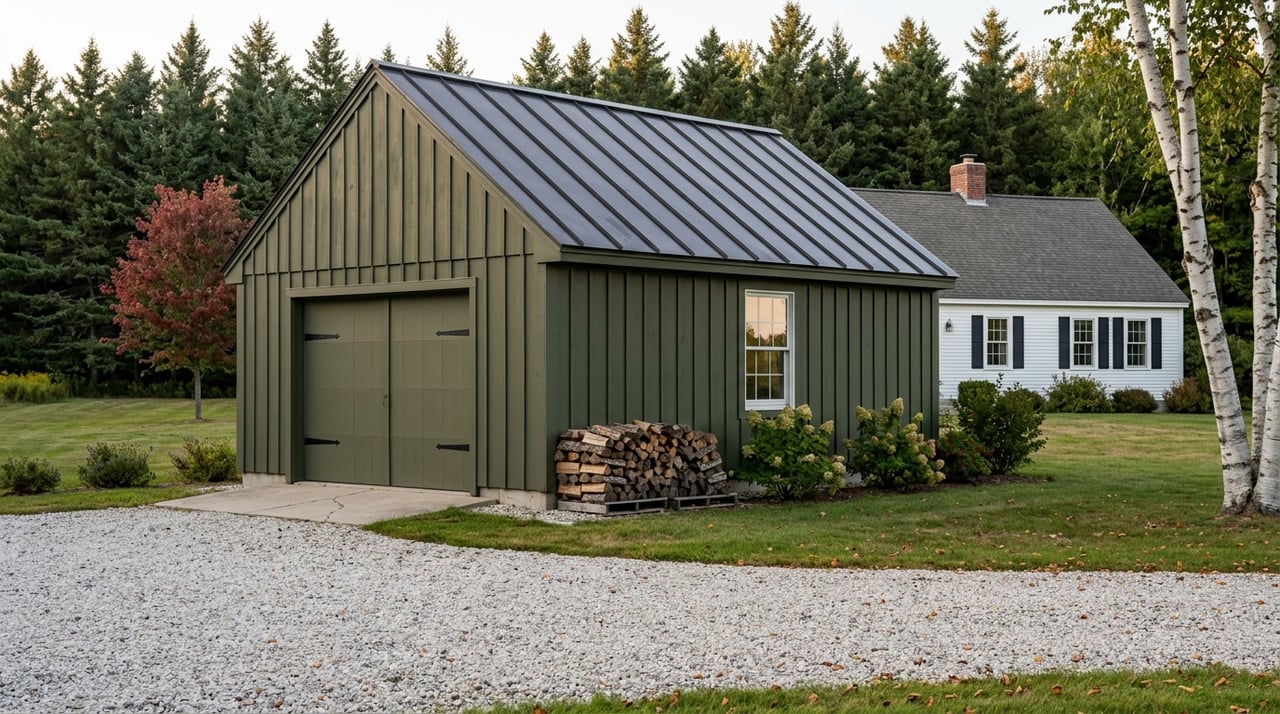
One of the strongest steps you can take before listing is to gather your paperwork. If your property includes a barn, garage, shed, deck, finished space, driveway improvements, or other added features, buyers will want to know when the work was done and whether it was properly permitted.
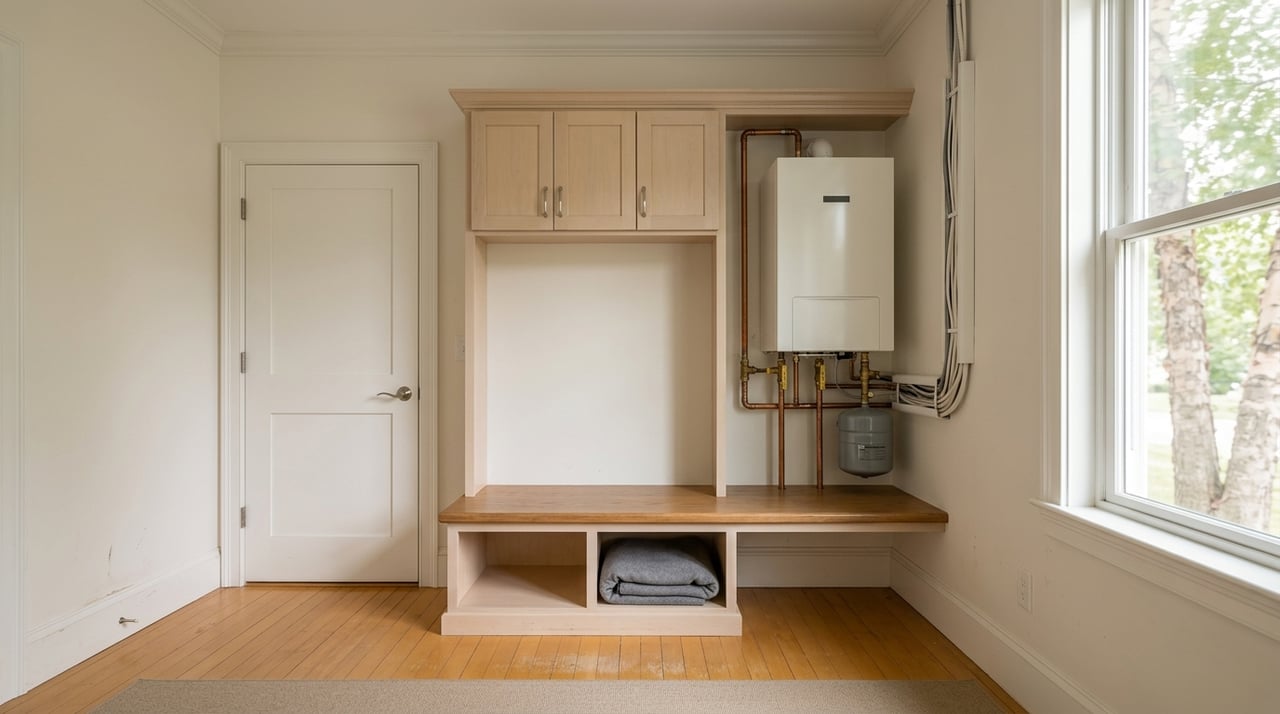
Bangor notes that permits are typically required for new buildings, additions, and many types of residential work, including decks, garages, fences, pools, water heaters, electrical, plumbing, and HVAC work. The city also warns that unpermitted work can reduce value, affect insurance, or lead to repair costs later.
That is why your prep file should include:
- permit records and final sign-offs
- contractor invoices and receipts
- dates of improvements
- service records for major systems
- surveys, plans, or site sketches if available
This kind of paper trail helps buyers feel more confident. It also gives your agent better support when explaining value during showings, negotiations, and appraisal questions.
Explain land usability clearly
Not every acre carries the same value. A buyer will usually look past the total acreage number and focus on how the land can actually be used.
That includes practical questions like whether the land is level or steep, dry or wet, open or heavily wooded, and easy to reach or awkward to access. If part of the parcel is constrained by shoreland rules, flood exposure, or limited access, buyers will factor that into their offer whether you mention it or not.
A stronger listing tells a more complete story. Instead of presenting acreage as one broad feature, it helps to define what makes the parcel functional and what a buyer should understand upfront.
Access matters more than many sellers expect
Access is one of the first things serious acreage buyers will investigate. Maine’s seller disclosure requirements specifically include access and who maintains any non-public access route.
If your home is on a private road or shared lane, buyers will want a clear explanation of maintenance responsibility. They may also ask about winter plowing, road agreements, or whether there is any association handling shared upkeep.
This is not a minor detail. Unclear access can slow a sale, create financing concerns, or cause buyers to question whether the property will be easy to own long term.
Utilities should never be left vague
With acreage properties, buyers often assume there may be a mix of public and private services. If your property uses a private well and septic system, say so clearly and be prepared to provide helpful records.
Maine disclosure rules require sellers to address water supply, heating, waste disposal, hazardous materials, known defects, flood risk, and shoreland zoning issues. Bangor’s land development framework also addresses utility service such as water, sewage disposal, electricity, fire hydrants, stormwater, lighting, and other necessary services when applicable.
For sellers, the takeaway is simple: make utility information easy to understand. When buyers have to guess, they tend to assume extra cost or extra risk.
Well and septic records can reduce friction
If your property is served by a private well, updated water information can be a real advantage. Maine CDC states that private wells are not regulated, which means owners are responsible for testing and treatment.
Maine CDC recommends annual testing for coliform bacteria, E. coli, nitrates, and nitrites, along with periodic testing for other contaminants. It also recommends at least 100 feet between a private well and a private septic system.
For a seller, recent well testing and septic service records can make the property feel more transparent and better maintained. If you can also show where the well and septic field sit on the parcel, that often helps buyers understand the site more quickly.
Shoreland and flood issues deserve early attention
Some acreage properties in the Bangor area carry added questions because of their location. Bangor’s shoreland zone includes areas within 250 feet of the Penobscot River or Kenduskeag Stream, as well as within 75 feet of certain streams and wetlands.
Flood questions may also come up. Redfin’s Bangor market page reports severe flood risk for 9% of city properties over the next 30 years.
If your property is affected by shoreland rules or flood exposure, it is usually better to address that early and accurately. Buyers tend to respond better when the information is organized and clearly explained than when they discover it late in the process.
If the property is shoreland-related and served by septic, keep in mind that Maine law requires a certified septic inspection before transfer, and if the system fails, repair or replacement is required within a year. That is exactly the kind of issue you want to understand before you go active.
Price the property as a package
Acreage pricing works best when it reflects function, not just size. In Penobscot County’s early 2026 market, buyers had more options, which makes overpricing riskier for specialized properties.
The best pricing strategy usually weighs the house and land together through the lens of usability. A parcel with documented outbuildings, solid access, clear utility information, and fewer restrictions may justify stronger pricing than a larger parcel with unknowns.
Here are some of the value drivers buyers often focus on most:
- usable acreage versus steep, wet, or limited land
- permitted outbuildings and additions
- public-road frontage versus private-road access
- public utilities versus private well and septic
- floodplain, shoreland, or other land-use restrictions
- verified future expansion or subdivision potential
That last point is important. If future development potential is part of the value story, it should be confirmed before it is marketed.
Be careful with future-use claims
Some sellers assume acreage automatically means easy expansion or a future lot split. In reality, that should be verified before it is presented as a selling point.
Bangor has separate land development and subdivision provisions, so claims about future buildability, another dwelling, or a potential split should be checked first. If the answer is unclear, avoid presenting it as a certainty.
This protects both your sale and your credibility. Accurate positioning builds trust, while unsupported claims can create problems during due diligence.
Expect smart buyer questions
The strongest acreage listings are built around the questions buyers are already likely to ask. In Greater Bangor, those questions usually center on the same issues required under Maine disclosure law and local code.
Expect buyers to ask things like:
- How is the property accessed?
- Who maintains the road or lane?
- Were the barn, shed, garage, or additions permitted?
- When were the well and septic last tested or serviced?
- Is any part of the parcel in a flood or shoreland area?
- Can the land support another structure or a future split?
If you can answer those questions early, your listing feels stronger from the start. You also reduce the chance of surprises once a buyer begins inspections and due diligence.
A better listing package creates confidence
In a home sale with acreage, uncertainty is expensive. It can lead to price cuts, renegotiations, longer time on market, or deals that fall apart when a buyer uncovers issues late.
A better approach is to build a listing package that makes the property easier to understand. That means organized documentation, a realistic pricing strategy, and a clear explanation of how the land actually functions.
This is where process matters. Sellers often benefit from working with someone who understands not just local pricing, but also the real-world questions around site use, improvements, and rural property details.
If you are preparing to sell a home with acreage in the Greater Bangor area, James A. Spear brings a practical, construction-aware approach to pricing, positioning, and marketing properties with land.
FAQs
What should you disclose when selling a home with acreage in Bangor?
- Maine law requires disclosure of items such as access, maintenance of any non-public access, water supply, heating, waste disposal, hazardous materials, known defects, flood risk, and shoreland-zoning issues.
Why do permits matter when selling acreage property in Bangor?
- Bangor states that permits are typically required for many types of residential work, and unpermitted work can reduce value, affect insurance, or create later repair issues.
What utility records help when selling a rural home in Penobscot County?
- Helpful records include well test results, septic service history, permit documentation, contractor invoices, and any available information showing where key systems are located on the parcel.
How do buyers evaluate acreage in the Greater Bangor area?
- Buyers often focus on land usability, access, utility setup, documented improvements, and any restrictions related to flood exposure, shoreland rules, or future use.
Can you advertise future subdivision or expansion for Bangor acreage?
- You should confirm any future lot split, added dwelling, or similar land-use claim under Bangor’s applicable land-development and subdivision rules before marketing it as a feature.