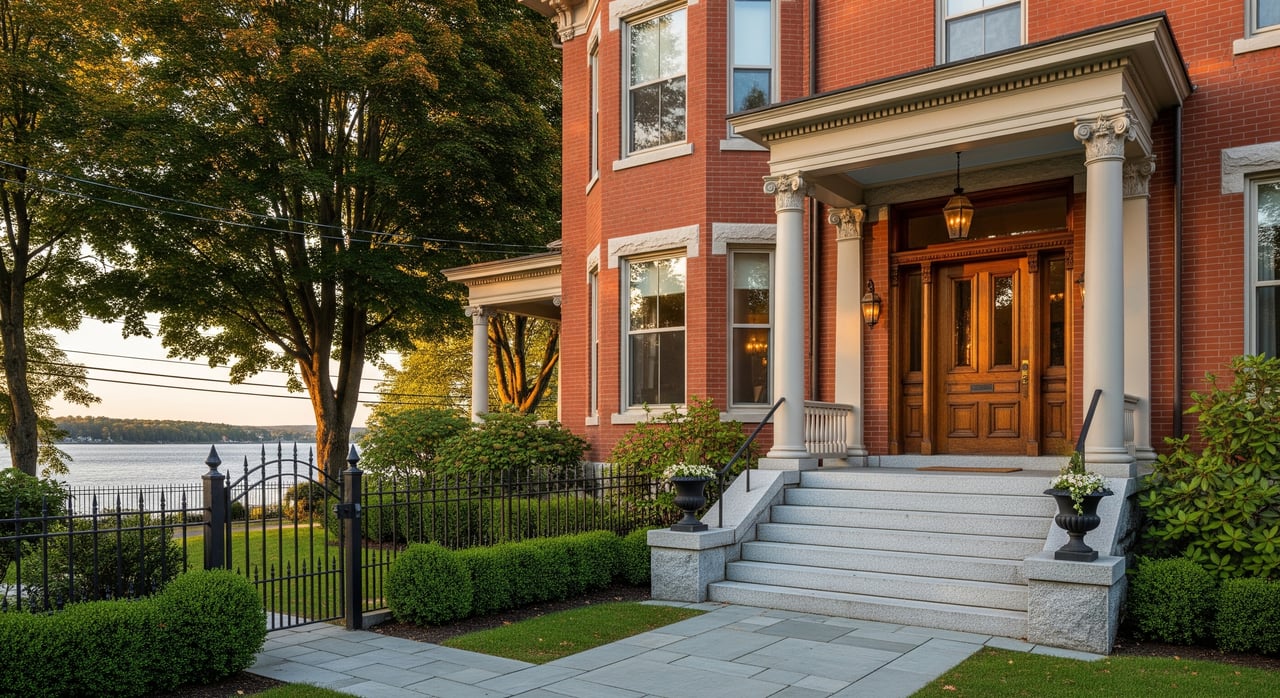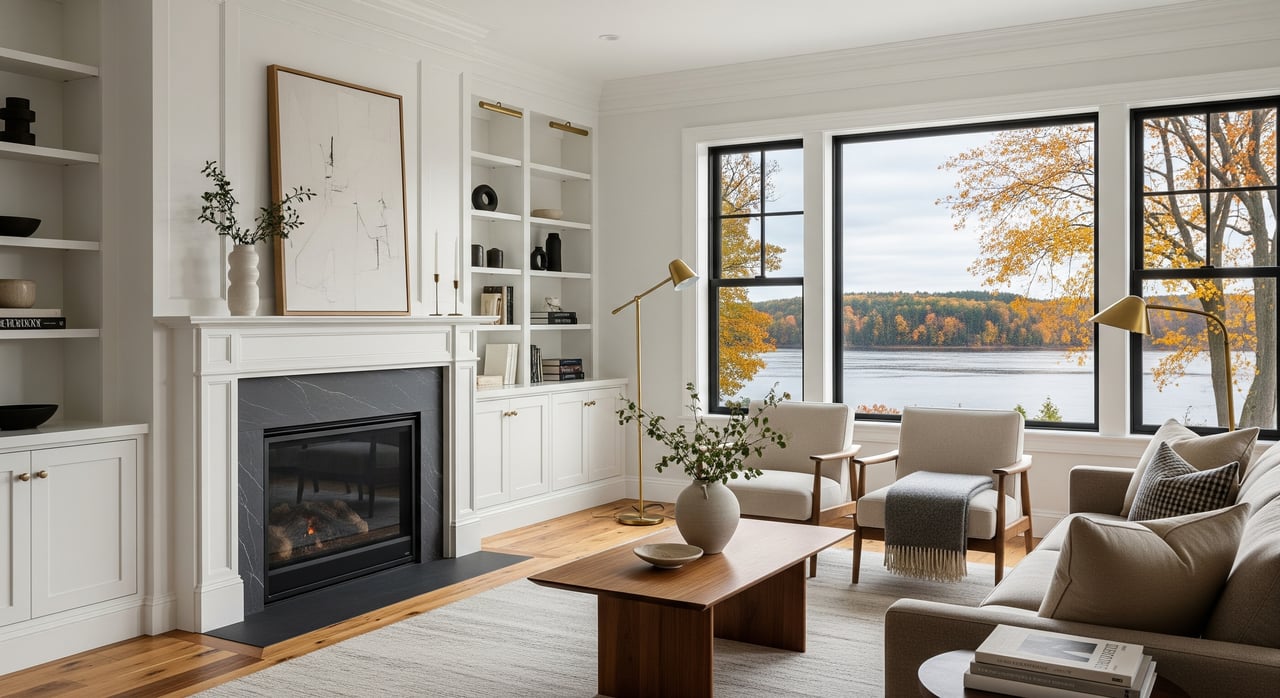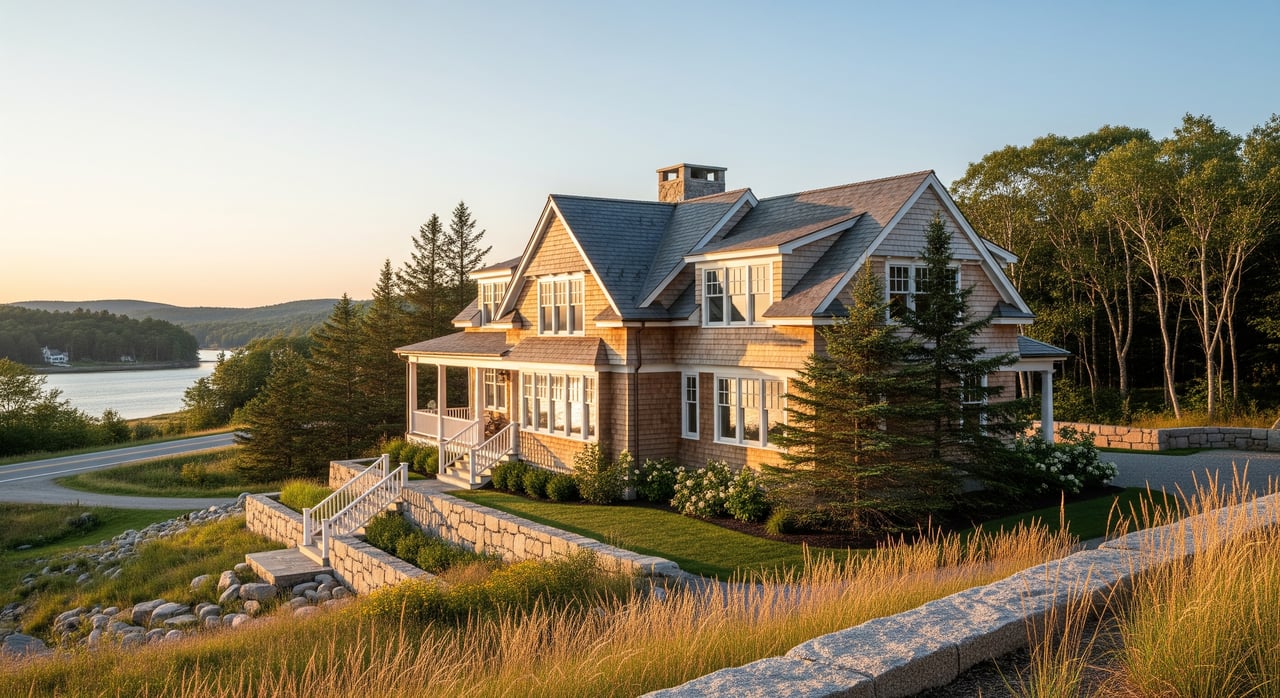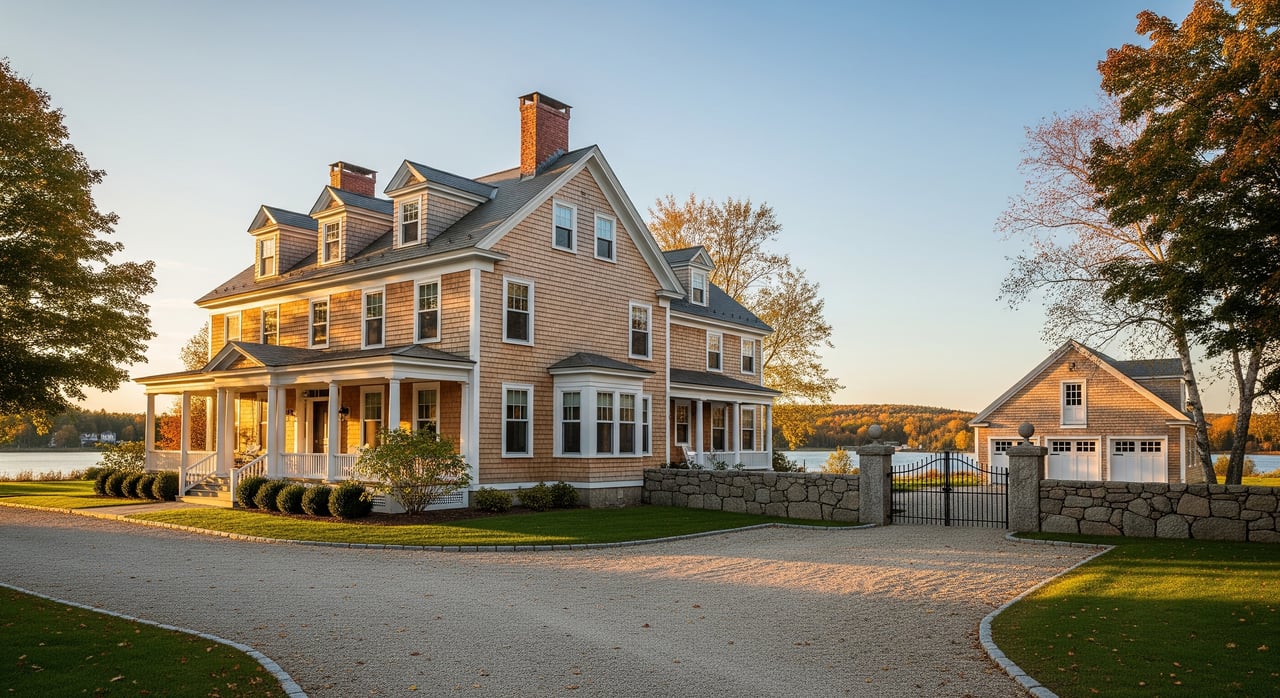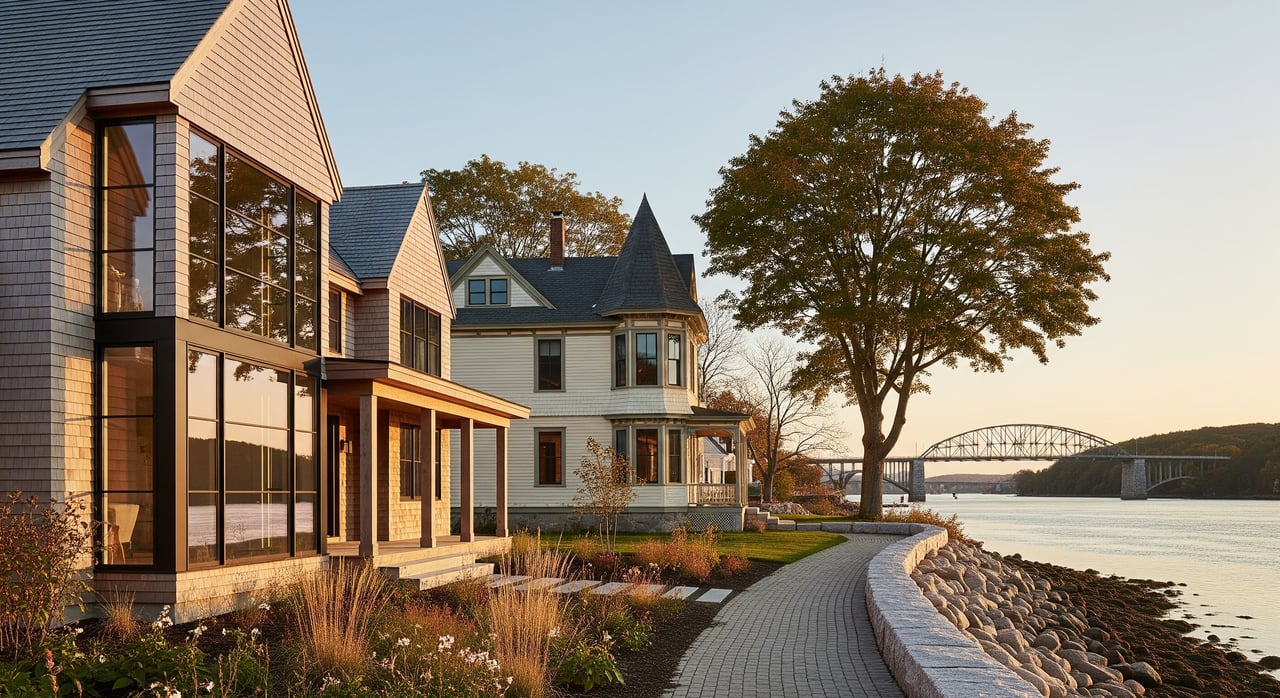
Are you weighing the charm of an in-town Old Town farmhouse against the clean slate of a brand-new build? It is a real trade-off in a city shaped by the Penobscot River, the University of Maine in nearby Orono, and fast access to Bangor employers. You want the right mix of cost, timing, comfort, and long-term value. In this guide, you will learn how new construction compares with existing homes in Old Town, where local rules and river proximity matter, and how to move forward with a clear plan. Let’s dive in.
Old Town reality: location and lots
Old Town’s location makes commuting to Orono and Bangor simple, which drives demand across both owner and rental markets. That convenience also means infill lots are limited compared with outer-town acreage. If you are considering a new build, small-lot constraints, septic and well feasibility, and shoreland protections near the Penobscot River can shape what is possible.
Before you price a lot or plan a renovation, confirm the rules that apply to your specific address. Shoreland zoning and wetlands oversight are active in Maine, and Old Town may have downtown or historic design standards that limit exterior changes. For market timing and trends, review current local data through Maine Association of REALTORS market reports.
Cost and value trade-offs
New construction often carries a higher cost per square foot. You are paying for new materials, labor, builder profit, and modern systems. On top of the build price, there are site costs such as lot acquisition, clearing, grading, driveway, septic or sewer hookup, water service or well, utility extensions, and erosion control.
Existing homes can list at a lower price point, but you may face near-term repairs or updates. Roofs, windows, heating systems, electrical, and plumbing can add up. In older properties common to the area, plan for well and septic evaluations and budget for safety or efficiency upgrades if needed.
Timeline and availability
A new build can take several months to a year from permit to completion. Builder scheduling, weather, and inspections all affect timing. Maine winters can slow exterior work, so start early if you have a target move-in date.
If you need to move quickly, an existing home is usually faster. Typical closings follow standard loan and inspection timelines. In a rising market, waiting for a new build can increase total cost, while a set contract price can help if the builder locks materials and labor early.
Customization and design control
New construction gives you more control over layout, finishes, and systems. You can pick a plan that fits your lifestyle, add accessibility features, and choose efficient mechanicals from the start. Just remember that upgrades add cost and may extend the schedule.
With an existing home, you can update spaces over time. You might negotiate a price that reflects needed improvements. Renovations can be phased, but they come with discovery risk and may require permits, specialists, and careful planning.
Maintenance and operating costs
A new home typically offers lower maintenance in the early years. New roofs, windows, plumbing, wiring, and heating systems are under warranty. That can free up cash for furniture, landscaping, or savings.
An existing home may require immediate fixes or replacements. Ask for ages and service records on major systems and review utility history. Independent inspections help uncover near-term needs so you can plan and negotiate.
Energy and comfort
New builds usually meet current energy codes and often include better insulation, air sealing, and high-efficiency HVAC or heat pumps. Ask for performance metrics such as a HERS score or any Energy Star features. The ENERGY STAR new homes program and the U.S. Department of Energy’s Energy Saver resources can help you understand typical efficiency gains.
Older Maine homes can be upgraded. Insulation, air sealing, and modern heating can improve comfort and lower bills. State and federal incentives may be available, so ask your lender and check current programs as you plan.
Resale and neighborhood fit
Some buyers prioritize brand-new finishes and low upkeep. Others want tree-lined streets, established yards, and proximity to services. In Old Town, resale value ties back to location, neighborhood character, commute convenience, and broader market trends.
If new construction is limited, newer homes may command a premium. In areas with several similar new builds, premiums may narrow. Choose what fits your needs and timing rather than chasing a trend.
Financing paths to compare
Financing an existing home typically uses conventional, FHA, VA, or USDA loans if you qualify. Appraisals and underwriting follow familiar steps, and lenders check that the property meets program standards.
Financing a new build is different. Many buyers use construction or construction-to-permanent loans. These often require higher down payments, interest-only draws during construction, and careful documentation of budget and milestones. Talk to local banks and credit unions early to map out the right path.
Permits, inspections, and risk checks
Thorough due diligence protects both new and existing homebuyers. Use this section as a quick map of the key items to verify in Old Town.
Flood risk and insurance
Homes along the Penobscot River can fall within FEMA flood zones. Lenders require flood insurance for properties in Special Flood Hazard Areas. Check your address on the FEMA Flood Map Service Center and factor premiums into your budget.
Shoreland zoning and wetlands
Maine’s shoreland zoning and wetland rules may limit clearing, setbacks, and structures near rivers, streams, and wetlands. These approvals can add time and cost to a new build or to exterior changes on an existing home. Review state guidance through the Maine DEP shoreland zoning resources and confirm local ordinances with Old Town’s building department.
Septic and well considerations
Many properties rely on private wells and septic systems. For new builds, soils and percolation tests guide system type and cost. For existing homes, order septic inspections and well water testing to understand condition and quality.
Radon and health-related inspections
Maine has higher radon potential. Radon testing is recommended for both new and existing homes. Learn more through the U.S. EPA’s radon resources and discuss mitigation options with your inspector if results are elevated.
Inspections for new builds
Municipal inspections cover code compliance, but it is smart to add independent checks. Consider a pre-drywall inspection, a final punch-list walk-through, and third-party verification of energy performance if available. Confirm that all municipal sign-offs are complete before closing.
Inspections for existing homes
Start with a comprehensive home inspection. Follow with specialists for septic, well, roof, chimney, or foundation if indicated. Request maintenance records, permits for past work, and utility history so you can plan true ownership costs.
Insurance while building
For new construction, confirm that the builder carries appropriate general liability and builder’s risk insurance. Clarify what coverage you need as the buyer during each phase. For existing homes, compare premiums based on system ages and any river proximity.
Warranties and post-sale protection
Builder warranties often follow a common structure: one year for workmanship, two years for systems, and longer structural coverage, sometimes through a third-party program. Get the warranty in writing and confirm transferability. For existing homes, a limited home warranty can sometimes be negotiated in the sale.
Your step-by-step checklist
Use this checklist to compare options and prevent surprises.
Site and location due diligence
- Confirm municipal water and sewer vs. private well and septic. If private, review recent inspection and testing reports.
- Check the FEMA flood zone status and any local floodplain maps.
- Identify shoreland, wetland, or environmental restrictions that affect buildability or exterior work.
- Review local zoning setbacks, frontage requirements, and lot coverage limits.
- Verify recorded easements and lot lines with county records.
Questions to ask a builder
- What local projects have you completed and can I see references in or near Old Town?
- Do you carry general liability, workers’ comp, and builder’s risk insurance?
- What is included in the base price and what counts as an upgrade?
- What warranty is provided and is there a third-party structural warranty?
- Who manages permitting, inspections, and utility connections and what timeline should I expect?
- How are change orders handled and priced?
- What are the energy performance targets or specs for insulation, HVAC, and ventilation?
Existing home inspection and negotiation
- Order a full home inspection and specialized inspections if recommended.
- Request ages and documentation for roof, heating, water heater, electrical, and plumbing.
- Ask for utility history and permits for any renovations.
- Decide whether to request seller repairs or a credit for repairs and define timelines in your contract.
Financial and timing prep
- For a new build: clarify construction or construction-to-permanent loan options, set a 5 to 10 percent contingency, and align your schedule with seasonal conditions.
- For an existing home: confirm appraisal expectations and the lender’s property condition requirements.
Neighborhood and resale research
- Review comparable sales in Old Town and nearby Orono and Bangor for similar home types.
- Map commute times to work, UMaine, healthcare, and services important to your routine.
- Consider future resale appeal based on neighborhood character and long-term plans.
Making the call
If you want move-in speed, a known timeline, and the flexibility to negotiate repairs or credits, an existing home can be a smart fit. If you value customization, low early maintenance, and high efficiency, a new build may be worth the wait and cost. In Old Town, your choice also depends on lot availability, shoreland and flood considerations, and how quickly you need to be settled for school or work.
When you are ready to compare live options or you need help vetting a lot, builder, or inspection findings, reach out. With engineering and construction know-how plus strong local market coverage, James A. Spear can walk you through trade-offs, connect you with trusted local pros, and move you from intent to closing with confidence.
FAQs
What drives demand for homes in Old Town, ME?
- Proximity to Orono and Bangor employment, including the University of Maine and regional healthcare, along with easy commute patterns and access to services.
How do I check flood risk for a property near the Penobscot River?
- Search your address on the FEMA Flood Map Service Center and confirm requirements with your lender and insurer.
Do new homes in Maine lower utility bills?
- Often yes, because they meet current energy codes and may include high-efficiency systems; verify features and ask for performance data such as Energy Star specs.
Should I test for radon in Old Town?
- Yes, Maine has higher radon potential; follow the EPA’s radon guidance and plan for mitigation if results are elevated.
Where can I find current Old Town market stats?
- Ask your agent for local MLS snapshots and review statewide context from Maine Association of REALTORS market reports.