Thinking about trading city pace for a quieter riverside town with quick access to Bangor? If you want small-town feel, practical housing options, and a manageable commute, Hampden is worth a close look. In this guide, you’ll learn how daily travel works, what to expect in the local housing market, and the key costs to budget for. You’ll also get a simple plan to make your move smoother. Let’s dive in.
Hampden at a glance
Hampden sits along the Penobscot River just south of Bangor, so you get a town setting with easy reach to regional jobs, medical centers, and the airport. Neighborhoods range from in-town streets to rural parcels and riverfront stretches. Many residents commute to Bangor-area employers, and many of those trips are short, often under 30 minutes depending on time of day and destination.
The town operates with its own local government and municipal services. That includes public works for road maintenance and snow removal, a code enforcement office for permits, and a tax assessor’s office. If you are comparing neighborhoods, it helps to review local planning and zoning maps so you understand what is allowed on a given property.
Housing options in Hampden
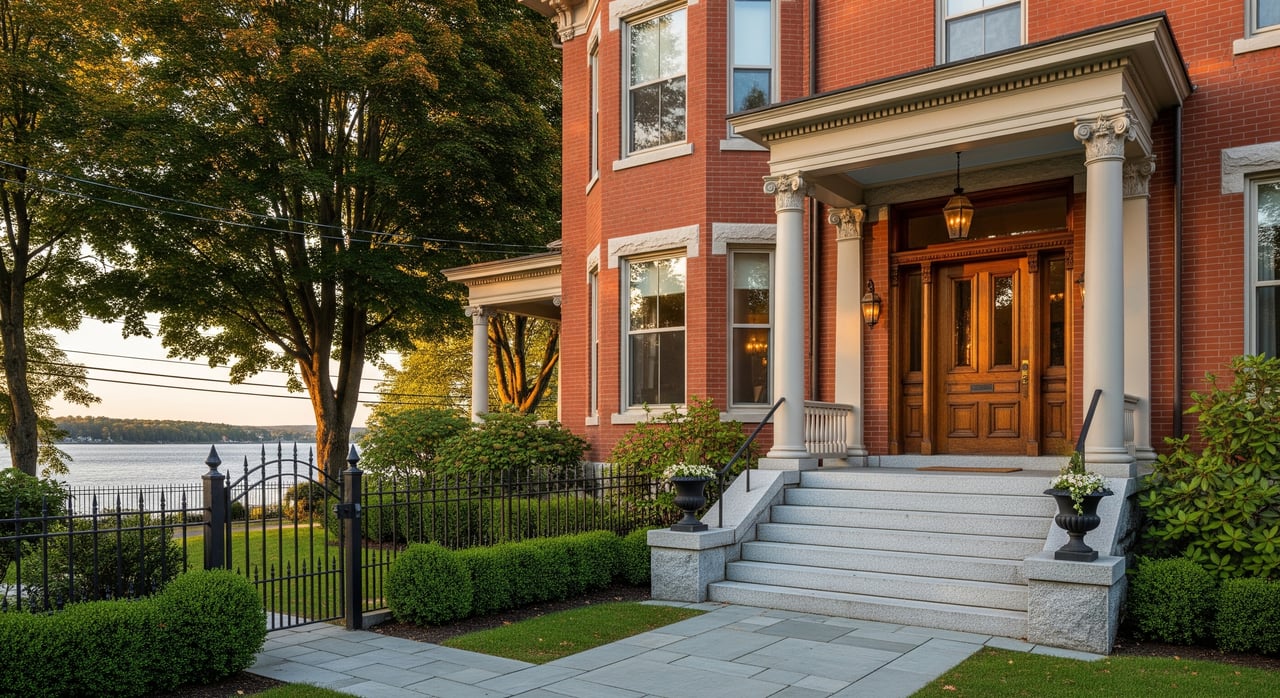
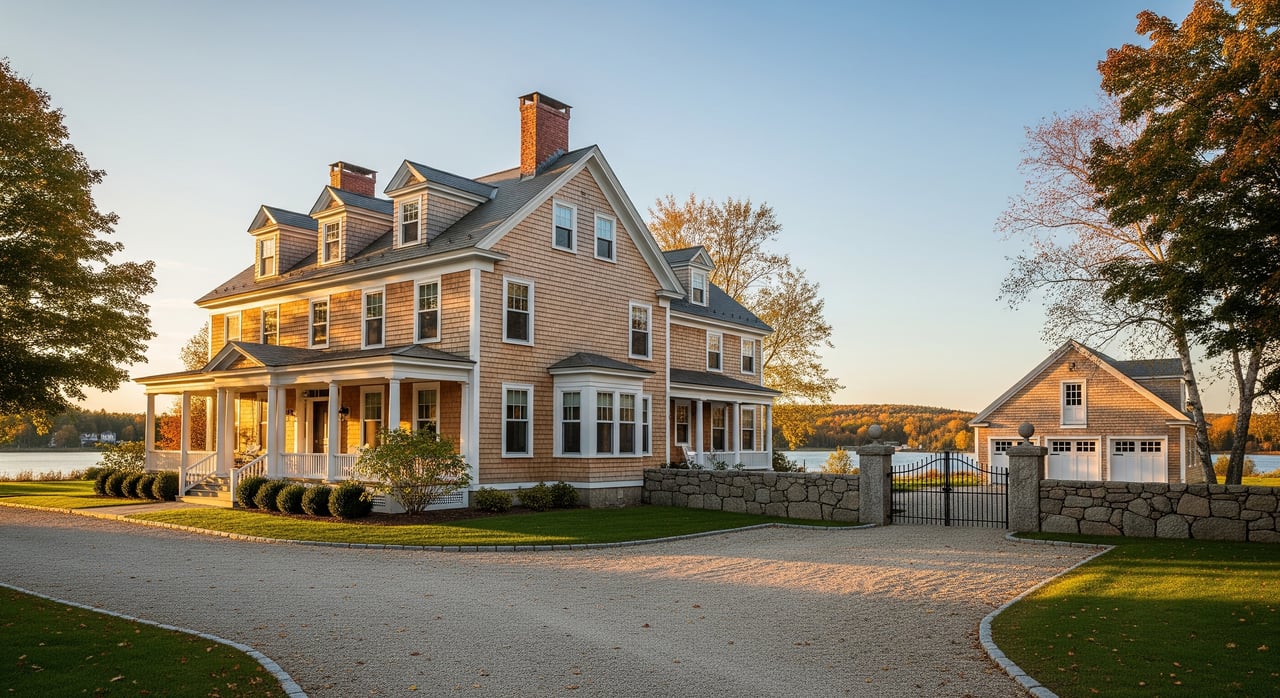
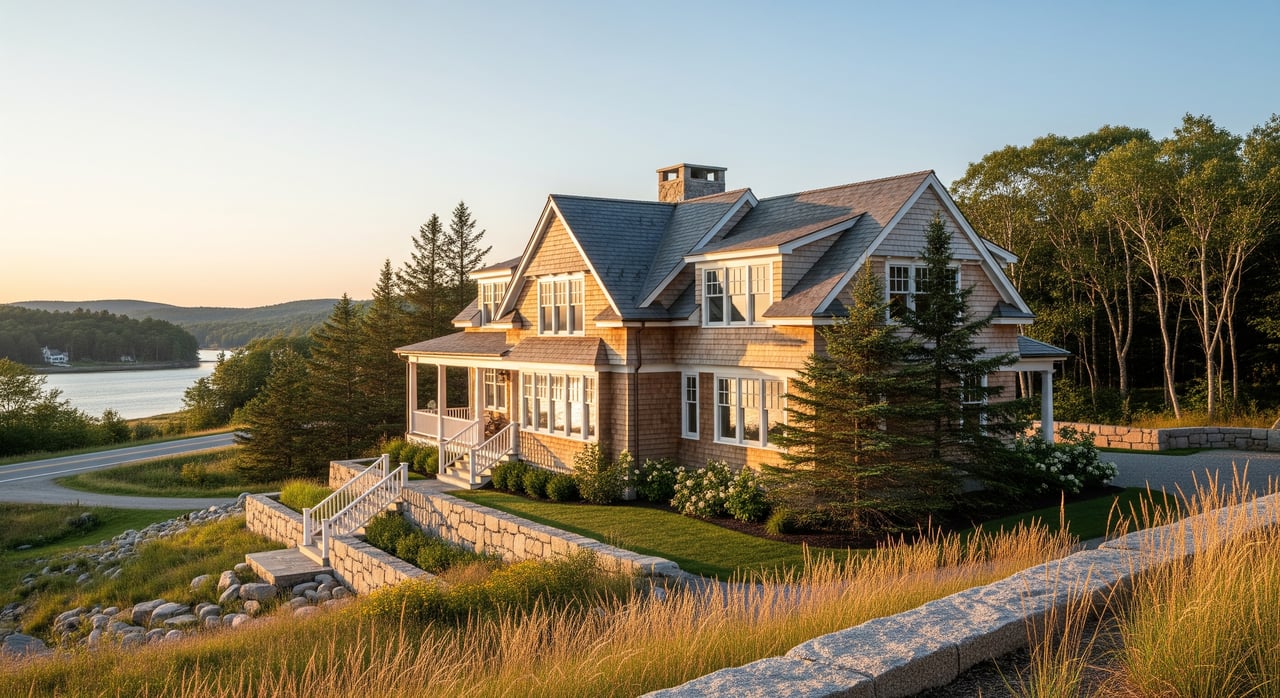
You’ll find mostly single-family homes, from older character houses to newer builds in subdivisions. Larger rural lots are common outside the village area, and you may see occasional multifamily or condominium options. Riverfront properties exist along the Penobscot River corridor, and those carry specific regulations you should understand early.
Entry-level buyers often focus on smaller single-family homes or older properties that may need updates. Mid-market shoppers typically look at newer subdivisions or larger homes on more land. Higher-tier purchases can include riverfront settings or sizeable acreage. New construction pops up periodically, but most activity is resale.
Key buying considerations
Private wells and septic systems are common once you get outside village neighborhoods. Plan for professional inspections and build in time for any required tests. If systems are older, discuss replacement timelines and costs during your due diligence.
If you’re near the river, shoreland zoning rules apply. Setbacks, vegetation buffers, and structure placement can be limited. Your agent can help you review local ordinances and how they affect additions, accessory buildings, or clearing.
Maine winters make heating and winterization a priority. Ask about insulation, windows, roof condition, and heating fuel types such as oil, propane, or wood. If a property sits on a private road or long driveway, consider plowing and sanding plans, plus year-round maintenance.
Commuting and transportation
Hampden’s proximity to Bangor is the main commute advantage. Many residents drive to downtown Bangor, regional hospitals, Bangor International Airport, and the University of Maine in Orono. Travel times vary with weather and peak hours, so check live conditions during your typical schedule before deciding on a neighborhood.
Major state and interstate routes connect Hampden to the Bangor metro. Winter storms can affect road conditions and travel reliability, so factor in snow removal and vehicle readiness. Fixed-route public transit is limited in many Maine towns, and the greater Bangor area may offer select routes or on-demand options that can change over time. Most residents rely on personal vehicles.
For air travel, Bangor International Airport is the closest commercial option for Hampden. Intercity bus and rail options are more limited in this part of Maine, so plan accordingly if you travel frequently.
Cost of living and budgeting
Property taxes are a key driver of your monthly housing budget. Check the Town of Hampden assessor’s information for the current tax rate and how assessments work. Compare your estimated tax bill across a few homes to understand the variance.
Homeowners insurance depends on home age, heating source, and distance to water. If a property falls within a designated flood zone, your lender may require flood insurance. For riverfront or low-lying parcels, review FEMA flood mapping before you make an offer.
Utilities and heating are major recurring costs in Maine. Many homes use heating oil or propane along with electricity. Ask for recent fuel usage and electric bills, and budget for annual servicing of your heating system.
Everyday spending on groceries, household goods, and services typically aligns with the Bangor area rather than high-cost urban centers. For health care, Bangor’s hospitals and specialists are nearby, which reduces long-distance trips for appointments compared to more remote towns.
One-time costs to plan for include closing costs, title and recording fees, well and septic inspections, and any local permits. If you’re moving in winter, movers and logistics can be more complex, so build in extra time and cost contingency.
A simple plan for your move
Use this step-by-step checklist to stay organized:
- Define your commute window and test-drive routes during peak hours.
- Get preapproved so you can move fast when the right home appears.
- Align your search with property type and systems: in-town public utilities or rural well and septic.
- Review town zoning, shoreland rules, and any subdivision covenants before submitting an offer.
- Structure inspections for well, septic, water quality, heating system, and overall building condition.
- Estimate total monthly costs: mortgage, taxes, insurance, heating fuel, and snow removal.
- If considering riverfront, review flood maps and insurance requirements early.
- Time your move. Summer and early fall are easiest. If winter, confirm plowing, heating setup, and safe access for moving trucks.
Why work with a construction-savvy local
If you expect to buy land, evaluate an older home, or consider renovations, you benefit from an agent who can read a property like a project. With an engineering and construction background, a process-first approach, and deep experience across Greater Bangor, you get practical pricing guidance, clear timelines, and proactive risk management from offer to close.
Ready to move? Connect with James A. Spear to map your Hampden plan, preview on- and off-market options, and execute with confidence. Stop dreaming. Start doing. Schedule a consultation.
FAQs
How long is the commute from Hampden, Maine to Bangor and UMaine?
- Many commutes within the Bangor area are under 30 minutes, depending on destination and traffic. Test routes during your typical drive times to confirm.
Are private wells and septic systems common in Hampden homes?
- Yes. Outside village areas, private well and septic are common. Plan for professional inspections and factor maintenance or replacement timelines into your budget.
What should I know about Hampden property taxes before buying?
- Property taxes vary by assessment and rate. Review the Town of Hampden assessor’s information and compare estimated bills for any homes you’re considering.
Do Hampden riverfront homes require flood insurance?
- If a property is in a FEMA-designated flood zone, lenders may require flood insurance. Check flood maps and confirm with your insurer during due diligence.
How do Maine winters affect homeownership costs in Hampden?
- Expect higher heating usage and potential snow removal costs. Budget for annual system service, insulation upgrades if needed, and private road or driveway plowing.
What housing types can I expect to find in Hampden, Maine?
- Mostly single-family homes, plus some newer subdivisions, rural parcels, and occasional multifamily or condo options. Riverfront properties are present along the Penobscot.
Is there public transit from Hampden to Bangor?
- Public transit options in many Maine towns are limited and can change. Most residents drive. Check greater Bangor providers for current routes or on-demand services.