Picture your mornings on a quiet stretch of land, coffee in hand, with space for a garden, a workshop, and room to breathe. If you love the idea of acreage but wonder how daily life actually works near Bangor, you’re not alone. In this guide, you’ll learn what to expect in Levant: commute ranges, services, utilities, permits, and the upkeep that keeps rural living running smoothly. Let’s dive in.
Levant at a glance and commute
Levant sits in Penobscot County and spans about 30 square miles with a 2020 Census population just under 3,000. You get a rural feel with quick access to Bangor for work, shopping, and medical care. From much of Levant, you can expect roughly a 9-mile, about 10-minute drive into Bangor, with real-world drive times typically ranging from 5 to 20 minutes depending on your exact address and road conditions. For a regional overview, check the Bangor Region Chamber’s summary of Levant and its proximity to Bangor’s services (Bangor Region Chamber).
Daily essentials within reach
Healthcare and emergency response
Your primary hospital hub is Northern Light Eastern Maine Medical Center in Bangor, a regional referral hospital and Level II trauma center (Eastern Maine Medical Center). Levant Fire & Rescue reports about 500 to 600 calls per year, with many medical in nature, and coordinates ambulance transport through regional providers. On acreage, it pays to confirm your distance and estimated time from the fire station and to understand any private access needs for emergency vehicles.
Schools and student logistics
Levant is part of RSU 87. The town includes Suzanne M. Smith Elementary, with students continuing within RSU 87 such as Caravel Middle School in Carmel. Bus routes and school assignments can shift, so confirm current details and schedules directly with the district (RSU 87).
Groceries, hardware, and everyday errands
Most full-service grocery, larger hardware, veterinary specialty, and big-box options are in Bangor or neighboring towns. Many Levant addresses are a 10 to 20 minute drive to these shopping areas, but the best practice is to map drive times from the property’s driveway at different times of day (Bangor Region Chamber).
Airport and regional travel
For flights, Bangor International Airport (BGR) is your nearby hub. Most Levant parcels reach BGR with a short rural Maine commute, but always confirm time from the specific address.
Internet and utilities
Broadband availability varies by road and parcel. Some addresses have cable or fiber service, while others rely on fixed wireless or satellite options. Start with address-level lookups and confirm directly with providers. Aggregators list multiple options in Levant and are useful for initial checks (Broadband options in Levant). The town also lists local contacts, including a fiber provider, in its annual materials (Town of Levant report).
Property systems and permits
Septic systems: rules and routine care
Most rural homes use subsurface wastewater systems that require a state permit for new installs, replacements, or expansions. Maine’s Subsurface Wastewater Disposal Rules govern siting, design, and inspections, working through licensed site evaluators and local plumbing inspectors. As a buyer, ask for the septic permit, as-built, and any recent inspection or pumping records (Maine Subsurface Wastewater Rules).
Plan on a pumping and inspection cycle of about every 3 to 5 years, depending on tank size and household use. Local market ranges often run about 300 to 600 dollars for a standard pump-out, but you should get quotes based on access and tank size (typical pump-out costs).
Private wells: testing and water quality
Private wells are common, and homeowners are responsible for testing. Maine CDC recommends testing annually for coliform bacteria and nitrates, with additional testing for arsenic, uranium, radon, and other parameters every 3 to 5 years or when water quality changes. A comprehensive lab panel can cost a few hundred dollars. Request recent results and the well log from the seller when available (Maine CDC private well guidance).
Outbuildings, setbacks, and building codes
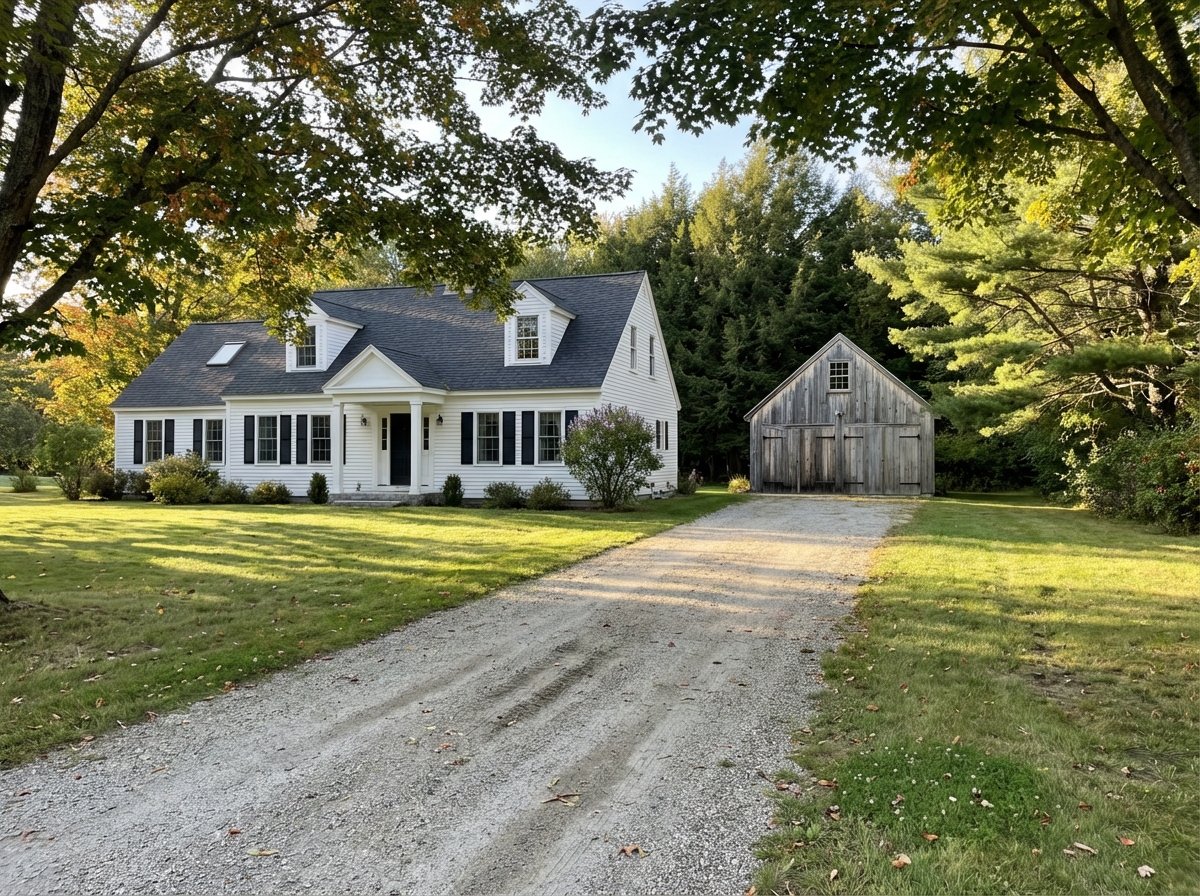
If you plan a barn, large garage, greenhouse, or workshop, talk with Levant’s Code Enforcement Office early. The town’s materials list typical setbacks for accessory buildings, such as 50 feet from the front and 25 feet from side and rear lines, plus a fee schedule that includes about 0.20 dollars per square foot for unconditioned accessory space. Maine Uniform Building and Energy Code requirements may apply. Confirm details and fees with the Code Enforcement Officer (Levant Code Enforcement).
Driveways, land use, and emergency access
Levant’s Land Use Ordinance covers site plan review, road entrances, curb cuts, buffers, and erosion control. If a lot does not have a permitted driveway or you plan to add a new entrance, expect additional steps and possible construction costs. Emergency vehicle access standards also apply, which can affect driveway width, grade, and turnaround requirements. Review the ordinance and coordinate with the town before you finalize plans (Levant Land Use Ordinance).
Roads, winter, and year-round upkeep
The town appropriates significant funds for winter road maintenance on public roads, as shown in the annual budget, but private driveways are the owner’s responsibility. On acreage, that often means arranging plowing, periodic grading, and long-term surfacing. If your home sits on a private road, there may be a road association and shared maintenance costs. Review the town report for context on winter priorities and road budgets (Town of Levant report).
Expect seasonal cycles:
- Winter: Line up a plow contractor or plan to clear your own driveway. Keep an eye on ice and maintain access to town-plowed routes.
- Spring mud season: Low, wet, or clay-rich areas can get soft. If you plan new work like a driveway extension or outbuilding, follow erosion control rules in the land use ordinance.
- Year-round: Keep a septic maintenance schedule, run regular well tests, grade unpaved drives, and maintain fields or brush if you want pasture or trails.
Property taxes: what to check
Levant’s 2025 town report shows a local calculation basis of 0.01100, or about 11.00 dollars per 1,000 dollars of assessed value, used in the commitment summary. Your actual bill depends on combined municipal, county, and school assessments. When evaluating a property, verify assessed value, exemptions, and all components of the final rate with the town and your lender’s tax escrow.
Acreage living benefits
- Space for hobbies: gardens, greenhouses, wood lots, and workshops.
- Room for vehicles and gear: trucks, trailers, ATVs, and snow machines.
- Quiet and privacy: fewer neighbors, more control over your immediate environment.
- Animal keeping: many parcels support small livestock or horses, but scale and siting are governed by local rules. Check setbacks, waste management requirements, and whether larger operations trigger site plan review (Levant Land Use Ordinance).
Buyer checklist for a smooth purchase
Use this list to verify the details that shape daily life on rural land:
- Map exact drive times from the address to grocery, primary care, emergency room, school, and the airport at different times of day (Bangor Region Chamber).
- Request from the seller: septic permit and as-built, date of last pump and any repair records, well log and recent water test, building permits for existing structures, and any easement or right-of-way documents.
- Schedule independent inspections: a licensed site evaluator for septic, a Maine-certified lab panel for the well, and a driveway or private road review if access is unpaved (Maine CDC private well guidance; Maine Subsurface Wastewater Rules).
- Confirm utilities and services at the address: electric service, heating fuel type and storage, trash or transfer-station arrangements, and broadband options with provider confirmation (Broadband options in Levant).
- Review taxes and recent local sales with your agent and the town’s assessor materials to set realistic expectations (Town of Levant report).
Ready to explore Levant acreage with a clear plan? With engineering and construction insight, local permitting knowledge, and a process-first approach, I help you move from idea to closing with confidence. Stop dreaming. Start doing — Schedule a consultation with James A. Spear.
FAQs
What is a typical commute from Levant acreage to Bangor?
- Many addresses are about 9 miles and roughly 10 minutes from Bangor, but real-world times range from 5 to 20 minutes depending on the exact location and road conditions.
How do property taxes work for acreage in Levant?
- The town’s 2025 report shows a local basis of about 11.00 dollars per 1,000 dollars of assessed value, but your final bill includes municipal, county, and school components, so verify the full breakdown.
What routine upkeep should I budget for on rural land?
- Plan for septic pumping every 3 to 5 years, annual well testing, driveway plowing and grading, and seasonal lawn or brush work, with pump-outs often running about 300 to 600 dollars.
Who maintains roads and driveways in Levant?
- The town handles public road maintenance and winter plowing, while private road associations or individual owners typically maintain and plow private roads and driveways.
Can I keep animals or build a large workshop on my parcel?
- Often yes, but size, siting, and use are governed by local rules like setbacks and waste management; review Levant’s Land Use Ordinance and speak with Code Enforcement before you buy.
Will I have high-speed internet on a rural lot?
- It depends on the address; some areas have cable or fiber while others rely on fixed wireless or satellite, so confirm availability directly with providers before you commit.