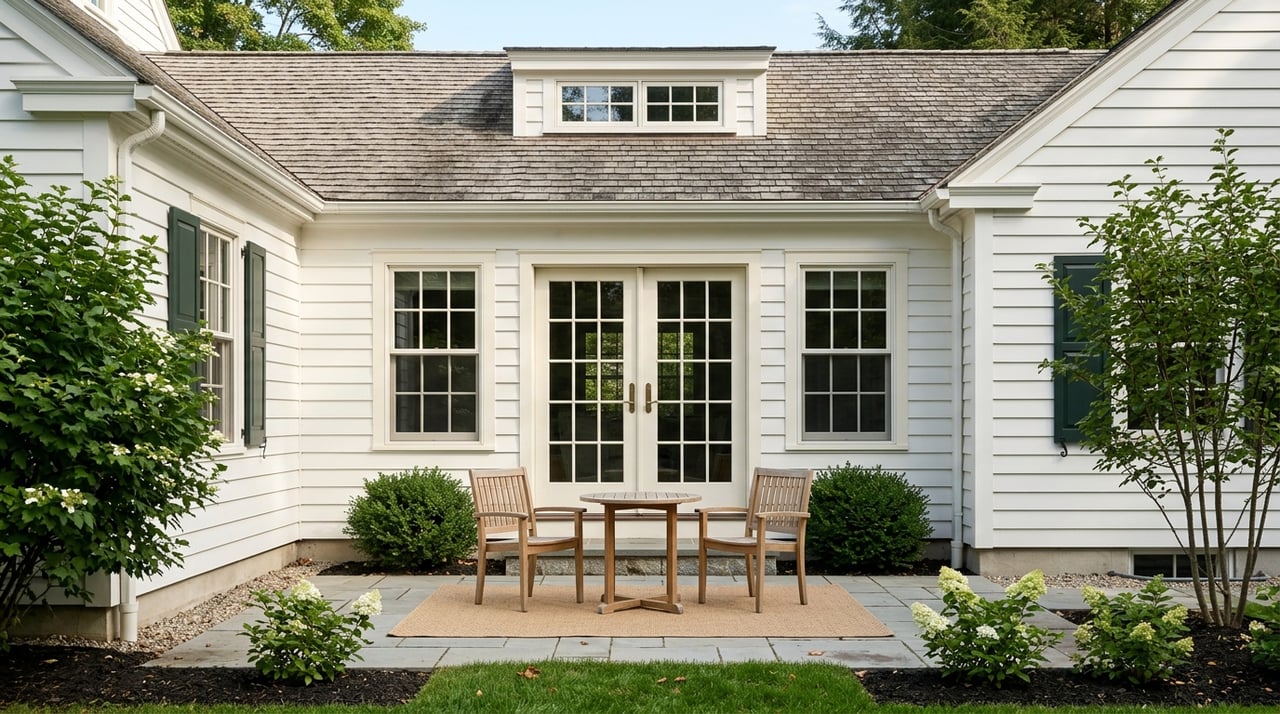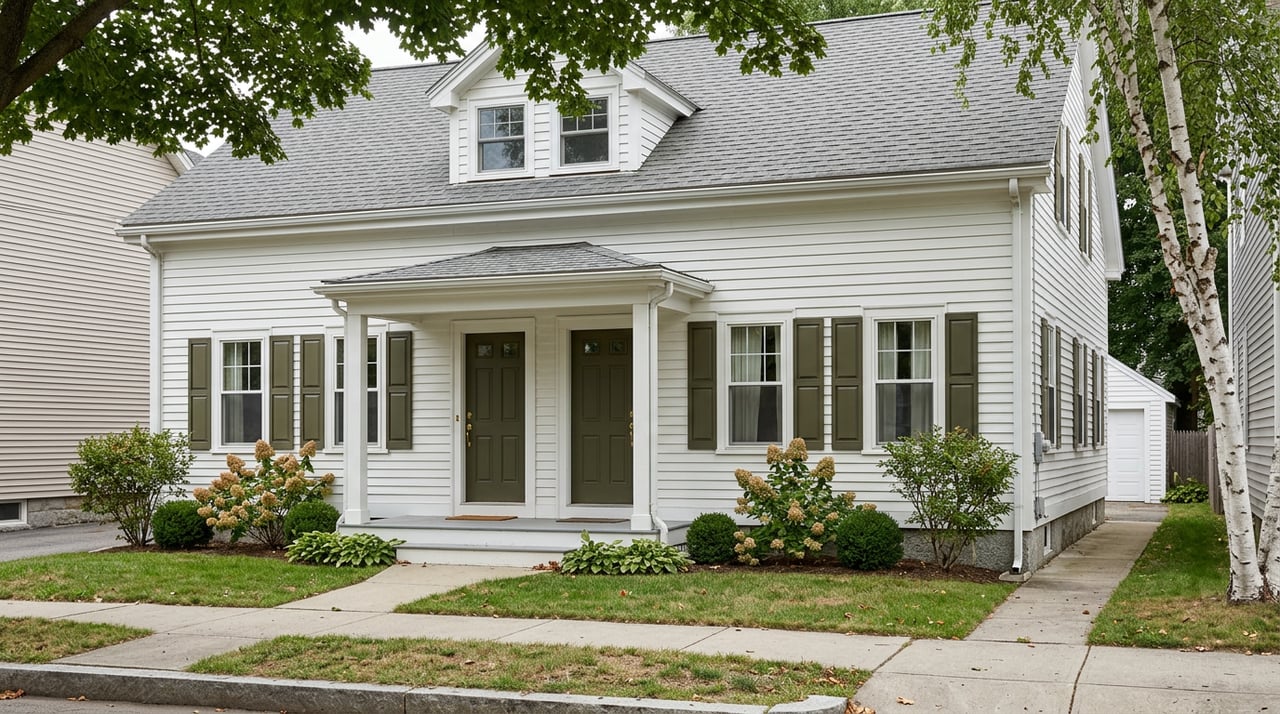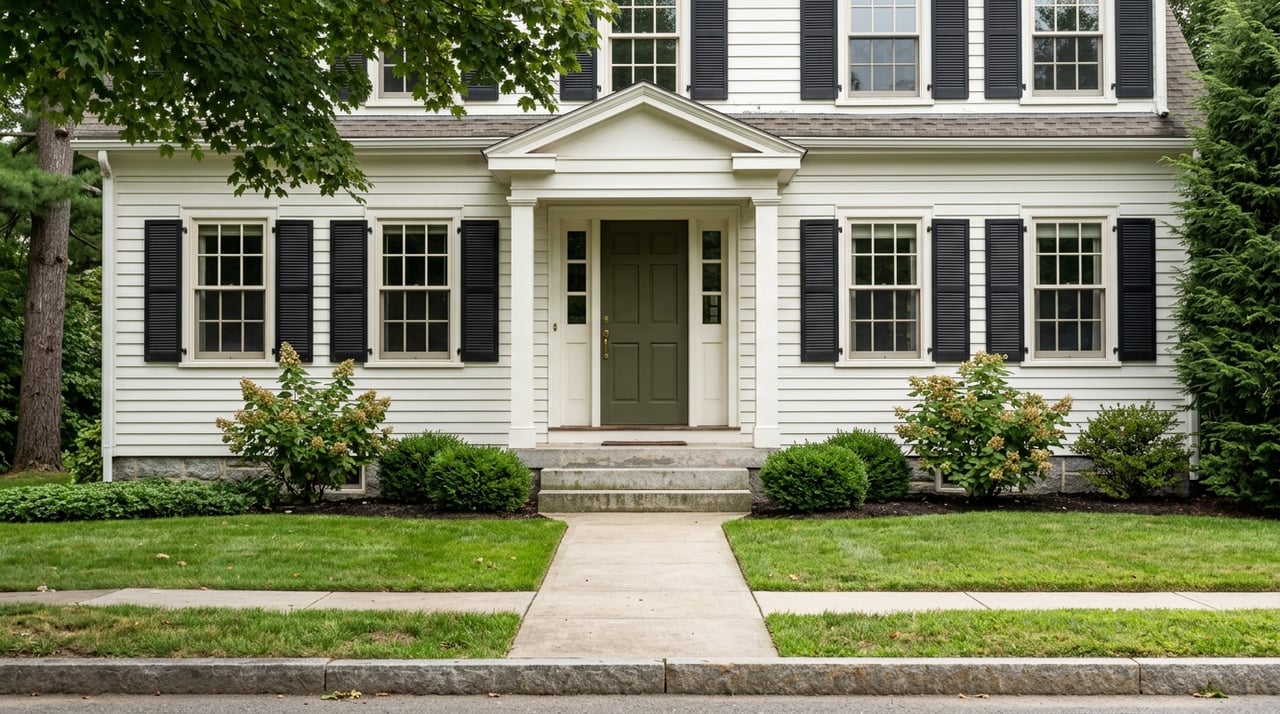
Buying a fixer-upper in Bangor can be a smart path to value, but only if you plan your inspections, permits, and timelines with care. Older homes here often come with character and hidden issues that can reshape your budget. You want clarity on risks, realistic costs, and a strategy that keeps your project moving. In this guide, you’ll learn the six inspection questions to ask before you bid, how permits and timelines work in Bangor, and what to expect from common renovations. Let’s dive in.
Why Bangor fixer-uppers are unique
Bangor has a deep stock of older homes with historic features, which often means deferred maintenance alongside charm. The city enforces state building and energy codes, and many projects require plans, permits, and inspections. Review the current rules for Bangor building permits and inspections so you understand timing and submittals before you write an offer. If your target home sits in a locally designated historic area, exterior work may require Historic Preservation Commission review, which can add time and design constraints.
- Review Bangor building permits and inspections: City of Bangor permit information
- Check historic district requirements: Historic Preservation Commission review
Environmental issues also matter in Maine. Buried heating oil tanks, lead paint in pre-1978 homes, possible asbestos in older materials, septic and well systems outside sewer areas, and elevated radon potential are all part of due diligence. Plan for specialty inspections and, if a buried tank is suspected, know that Maine DEP has specific notice and site assessment procedures for removal.
- Underground oil tank steps: Maine DEP UST forms and rules
Six inspection questions to ask first
Start with a general home inspection, then target Bangor-specific risks with specialty tests during your contingency window. Use these six questions to focus your effort.
1) Is the structure and moisture under control?
Ask your inspector to prioritize the foundation, sill plates, roof framing, and ventilation. Frost heave, rot, or hidden water damage can drive major scope changes and costs. If red flags appear, bring in a structural engineer before you finalize financing or timelines. Findings here affect everything else, so schedule this immediately after offer acceptance.
2) What shape are the roof and exterior envelope in?
Confirm roof age, shingle layers, flashing, chimney caps and liners, and gutter performance. A straightforward roof can be a quick fix, but decking repair, chimney work, and permit or historic review can extend timelines. Since exterior changes in historic areas may need review, verify district status early.
- Confirm historic review needs: Historic Preservation Commission review
3) What heats the home, and where is the fuel?
Ask whether there is an in-use or abandoned underground oil tank and order a tank scan if there is any doubt. Buried tanks create environmental liability and specific regulatory steps for removal in Maine. Have an HVAC tech assess the boiler or furnace and venting for safety. If removal is needed, plan for the Maine DEP notice and site assessment process.
- Oil tank procedures: Maine DEP UST forms and rules
4) Is the wiring safe and insurable?
Older Bangor homes sometimes have knob-and-tube or cloth-insulated wiring, smaller service capacity, or panels that insurers dislike. A licensed electrician should evaluate service size, branch circuits, and safety issues, then give you a replacement plan and budget. Wiring conditions can affect insurability and premiums, so get clarity early. Review what a full electrical inspection typically covers so you can ask targeted questions.
- Electrical system basics for buyers: ESFI overview
5) How are plumbing, water, and wastewater systems?
Identify pipe materials, visible leaks, water pressure, and fixture life. If there is a private well, order a lab water test for bacteria, nitrates, and arsenic, which are common Maine concerns. If there is a septic system, bring in a site evaluator to assess sizing, health of the drainfield, and permits on file. Septic replacements can take weeks to months and require state and local approvals.
- Septic rules and permit resources: Maine Subsurface Wastewater Unit
6) Are lead, asbestos, or radon issues present?
For pre-1978 homes, federal law requires sellers to provide the EPA lead pamphlet and a disclosure, and you can add a lead test contingency if needed. Asbestos may be present in older pipe wrap, tiles, or siding and should be handled by certified professionals. Radon levels can be elevated in Maine, so plan a short-term basement test during inspections. Bangor also has radon testing rules for multi-family properties, which is a useful reference for investment purchases.
- EPA lead disclosure and pamphlet: Lead disclosure rule fact sheet
- Local radon requirements: Bangor radon testing rules
Printable inspection checklist
Use this quick checklist to keep your due diligence on track. Print it and bring it to showings and inspections.
- Foundation and structure: cracks, settling, sill plates, rot; engineer if flagged
- Roof: age, shingle layers, flashing, decking, chimney caps and liners
- Attic ventilation and insulation; signs of moisture or mold
- Exterior envelope: siding, trim, windows, gutters, drainage
- Heating system: age, condition, venting; ask about heat loss and fuel type
- Oil tank scan and documentation; review any DEP records
- Electrical: service size, panel condition, presence of knob-and-tube
- Plumbing: pipe materials, leaks, water pressure
- Water quality test if on a private well
- Septic evaluation if not on public sewer; confirm permits and sizing
- Lead paint risk if pre-1978; plan for RRP-compliant work if renovating
- Suspect asbestos materials; budget for certified abatement if needed
- Radon test in basement or lowest livable level
- Permit scope and timing with Bangor Code Enforcement
- Historic district status for any exterior changes
Timelines and cost signals
Every project is unique, but planning ranges help you set expectations. Treat these as ballpark, then confirm with local contractor bids and Bangor’s Code Office for permit timing.
Kitchen remodel, mid-range: construction often 6 to 12 weeks, with total cost that can start around the mid-teens and exceed $50k depending on layout and finishes. See national ballpark ranges on the HomeAdvisor kitchen cost page for context.
Bathroom gut remodel: often 3 to 8 weeks; layouts and tile complexity move the needle. Costs vary widely based on scope and materials.
Roof replacement: often days to a week if straightforward, but decking repair, chimney work, weather, or review can add time.
Heating conversion to heat pumps: equipment install may take days for ductless multi-zone or a few weeks for whole-home, plus planning time. Efficiency Maine offers heat pump rebates, which can influence budgets and vendor selection.
Electrical service upgrade: commonly 1 to 3 days for panel and service, but rewiring an older home can take weeks.
Septic replacement or major drainage/foundation work: allow weeks to months, with costs that vary based on site conditions.
Buried oil tank removal and site assessment: plan for DEP notice, on-site assessment, and potential remediation if contamination is found.
Ballpark remodel references: HomeAdvisor kitchen cost guidance
Rebates and vendor requirements: Efficiency Maine heat pump rebates
Permits and planning your offer
Permits drive timelines, so align your offer with realistic steps. Many renovations, along with plumbing, electrical, and HVAC work, require permits and inspections in Bangor. Plan on 1 to 3 or more weeks for minor reviews and longer for larger projects, then confirm the current backlog with Code Enforcement. If exterior changes are planned in a historic area, expect additional review and potential design requirements.
Inspection contingencies should reflect Bangor’s common risks. Keep a general inspection plus explicit specialty contingencies, such as septic evaluation, well water test, radon test, oil tank scan, electrical inspection for knob-and-tube, and lead testing for pre-1978 homes. For pre-1978 properties, require delivery of the EPA lead pamphlet and disclosure, then decide if a lead test is appropriate. If remediation is needed and a seller will not complete it pre-closing, negotiate a contractor estimate and a holdback or escrow with clear post-closing responsibilities.
- Permit guidance: City of Bangor permit information
Coordinating contractors like a pro
Vet every trade. In Maine, certain trades such as electricians, plumbers, and lead-abatement firms require licenses or certifications. Require proof of license and insurance, written scope, schedule, payment terms, and who will pull permits. The Maine Attorney General advises consumers to insist on detailed written contracts and to verify credentials for home construction work.
- Contracting best practices: Maine Attorney General home construction guidance
Get multiple bids and build time into your schedule for sequencing and material lead times. Cabinets, windows, and mechanical equipment often need weeks of lead time. In colder months, prioritize interior work and plan exterior or excavation for late spring or summer. Require a written punch list and final inspection before final payment.
Ready to move forward?
If a Bangor fixer-upper is calling your name, a renovation-smart plan will protect your budget and timeline. With a focused inspection strategy, clear contingencies, and the right contractor lineup, you can capture value without surprises. Ready for property-specific advice, local contractor introductions, and a step-by-step plan tailored to your goals? Connect with James A. Spear to get started.
FAQs
What should I ask my insurer about old wiring and oil tanks?
- Ask whether knob-and-tube or cloth-insulated wiring affects eligibility or premiums, whether a 200-amp service is required, and if active or abandoned oil tanks change coverage or need documentation.
How long should I allow for a septic replacement permit near Bangor?
- Plan for weeks to months, since you will need a site evaluation, design, approvals, and contractor scheduling, which vary with soil conditions and local review times.
Where can I find Efficiency Maine rebates and qualified heat pump installers?
- Go to the Efficiency Maine heat pump rebates page to check current incentives and review approved installer requirements before you budget and schedule.
Do I need Bangor permits for interior-only updates?
- Many interior projects still require permits, especially structural, plumbing, electrical, and HVAC work, and inspections will apply, so confirm scope with Code Enforcement before you start.
How should I structure inspection contingencies for a fixer-upper?
- Keep a general inspection plus targeted tests for septic, well water, radon, oil tanks, electrical, and lead in pre-1978 homes, then set clear remedy thresholds or a right to cancel if costs exceed your comfort level.