Thinking about buying your first duplex or triplex in Greater Bangor, but not sure where to start? You are not alone. Small multifamily can be a smart path to cash flow and long-term wealth, especially in a market with steady demand from healthcare, education, and public-sector workers. In this guide, you will learn what to buy, how to run the numbers, which inspections matter most in older Maine buildings, and the local rules to know before you write an offer. Let’s dive in.
Why small multifamily in Bangor
Bangor sits at the center of a regional economy built on healthcare, education, and public services. That stability creates reliable rental demand across 2- to 4-unit properties.
- Rents and prices, early 2026: Typical 1-bedroom rents run about $1,100–$1,200 and 2-bedrooms about $1,400–$1,600, based on current market trackers like Zumper’s Bangor page. Median sale prices in the city hover around the mid-$200s. Always verify with neighborhood-level comps before you commit.
- University impact: The University of Maine system reports enrollment growth that has outpaced regional trends, supporting student-driven demand in Orono and Old Town near the academic calendar. See the University of Maine enrollment update.
- Healthcare anchor: Northern Light Eastern Maine Medical Center and related employers add depth to year-round rental demand. Review the health system’s community health strategy for context on regional services and workforce.
What to buy and where
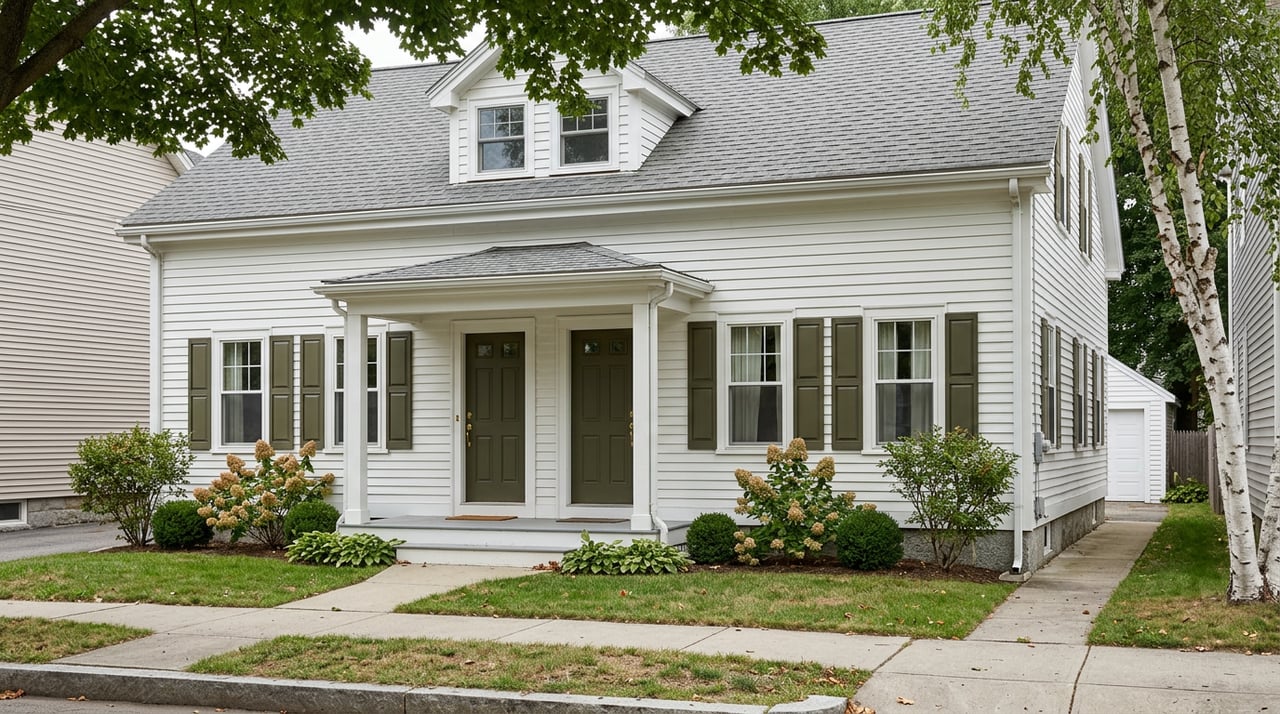
Most beginner investors in Greater Bangor target duplexes, triplexes, and fourplexes. You will also see larger single-family homes converted into stacked or side-by-side two-unit layouts.
- Building age: A large share of Bangor’s housing stock is older, with about 37% of units built before 1940, according to the city’s comprehensive plan. That means you need to plan for legacy systems and insulation. Review the City of Bangor Comprehensive Plan draft.
- Core Bangor: Often attracts steady working renters tied to healthcare, education, and government. Expect on-street parking, smaller off-street lots, and older mechanicals.
- Orono and Old Town: Closer to the university, with more seasonal turnover and leases that align with the academic year. Match your unit mix and lease terms to your target tenant profile.
Run the numbers with confidence
Start with simple, consistent metrics. Then refine with actual income and expense data from the property, neighborhood comps, and vendor quotes.
Key metrics to use
- Gross Rent Multiplier (GRM) = Purchase Price ÷ Annual Gross Rent.
- Net Operating Income (NOI) = Gross Rent − Vacancy − Operating Expenses (excluding mortgage and capital reserves).
- Cap rate = NOI ÷ Purchase Price. Use this to compare similar properties and risk levels.
Back-of-the-envelope example
Label your estimates clearly and update them with real quotes as you learn more.
- Rents: Suppose you find a Bangor duplex with two 2-bedroom units, each at the mid-point of current market levels, about $1,549 per month. Annual gross rent is roughly $37,176.
- GRM: On a $300,000 purchase, GRM is about 8.1.
- Vacancy: Use a conservative allowance of 5% to 10%, depending on tenant mix.
- Expenses: If operating expenses land near 40% of gross (illustrative), NOI would be around $22,300 to $23,000 after vacancy. That implies a cap rate near 7.5% on a $300,000 price. If expenses run higher, say 50%, the cap rate drops accordingly. Always test a few scenarios.
Property taxes in Bangor
Bangor’s FY2026 mill rate is posted at $17.70 per $1,000 of assessed value (1.770%). A $300,000 assessed value would carry an estimated annual tax of about $5,310. Confirm the exact figure and billing cycle with the City of Bangor Assessor and use it in your pro forma.
Budget the big six expenses
- Taxes: Use the current mill rate and the property’s assessed value.
- Insurance: Premiums vary by age, wiring, heating fuel, and fire protection history.
- Utilities: Know which services are owner-paid versus tenant-paid. Oil or propane can swing operating costs.
- Maintenance: Routine repairs, snow, lawn, and seasonal upkeep.
- Management: If you hire a property manager, include their fee.
- Capital reserves: Roofs, boilers, siding, porches, and electrical upgrades are common in older Maine multifamily. Set aside funds proactively.
Understand voucher and affordability benchmarks
If you plan to participate in subsidy programs, Penobscot County’s FY2026 HUD Fair Market Rents are a useful ceiling for voucher-eligible rents. Review the county-level FMRs through this Penobscot County FMR reference when modeling rents under affordability constraints.
Inspections and building risks to prioritize
Older New England multifamily buildings reward careful inspection. Bring in a licensed inspector with experience on pre-1970 housing and add specialists as needed.
- Roof and ice dams: Check age, ventilation, soffits, and any winter ice-dam history.
- Foundation and drainage: Look for grading issues and moisture in cellars that could affect boilers or electrical panels.
- Heating and fuel: Many properties use oil or propane. Verify tank condition, age of boilers, and potential conversion paths. Explore Efficiency Maine rebates for heat pumps and weatherization that can lower costs and improve comfort.
- Electrical and plumbing: Watch for knob-and-tube wiring, undersized service, and aging supply lines. These affect both safety and insurability.
- Wood-frame details: Porches, stairs, and trim often show early rot in wet, cold climates. Plan for repairs.
- Egress and safety: Confirm each unit has compliant exits and working smoke/CO protection.
Tip: Ask the City’s Code Enforcement office if there are known concerns for the address or immediate area. Bangor has discussed rental registration and inspection programs in recent years, so monitor updates and requirements before listing units. For policy context, see this Bangor Daily News overview of rental registry discussions.
Financing paths for first-timers
Owner-occupant and investor financing work differently, especially on 2- to 4-unit properties.
- Owner-occupied 2-4 units: FHA and conventional programs may allow lower down payments if you live in one unit. If the property needs work, renovation products like FHA 203(k) can combine purchase and rehab in one mortgage. A lender experienced with 2-4 unit underwriting can explain terms and timelines. Explore general renovation-loan options with this renovation loan resource and confirm program fit with your local lender.
- Investor loans: Expect higher down payments and stricter debt-coverage requirements. Lenders may underwrite to market rents, so document your rent comps and expense assumptions.
Landlord rules to know in Maine
- Security deposits: Maine law sets rules for holding and returning deposits, including timelines and itemization for deductions. Review the statute at Maine Title 14, Section 6033.
- Landlord entry: State law requires reasonable notice for non-emergency entry. Many owners use a 24-hour standard. Confirm current requirements and seek legal guidance as needed.
A practical 30-day starter plan
- Pull neighborhood rent comps for your target streets and unit sizes using Zumper’s Bangor rentals.
- Estimate taxes from the Bangor Assessor and add insurance, utilities, maintenance, management, reserves, and a 5%–10% vacancy.
- Map your financing: owner-occupied vs investor, plus renovation options if systems need upgrading.
- Schedule inspections early and plan for specialist checks on oil tanks, chimneys, and sewer laterals where applicable.
- Check local code and any rental registration or inspection requirements using city resources and the Bangor Daily News policy coverage.
- Model upgrades that can improve NOI, like heat pumps or insulation, and check Efficiency Maine rebates for eligibility.
- If you plan to accept vouchers, set rents with the help of Penobscot County FMR benchmarks.
When you approach Bangor small multifamily with clean numbers, targeted inspections, and a clear leasing plan, you reduce surprises and move faster from offer to closing.
Ready to find, underwrite, and close the right duplex or triplex with a construction-aware strategy? Partner with James A. Spear to build your plan, evaluate properties, and execute with confidence.
FAQs
What counts as “small multifamily” in Greater Bangor?
- Typically 2- to 4-unit properties, including duplexes, triplexes, fourplexes, and some single-family conversions with stacked or side-by-side units.
What are typical Bangor rents for 1- and 2-bedrooms in 2026?
- Many 1-bedrooms list around $1,100–$1,200 and 2-bedrooms around $1,400–$1,600, based on live market data from Zumper’s Bangor page. Always verify with local comps.
How do Bangor property taxes affect my cash flow?
- Use the FY2026 mill rate of $17.70 per $1,000 of assessed value and confirm the parcel’s assessment with the City Assessor to project your annual tax expense.
Is student-oriented housing near Orono a good first purchase?
- It can be, if you match lease terms and turnover planning to the academic calendar and price vacancy accordingly, while verifying unit condition and code compliance.
Which inspections are most important for older Bangor duplexes?
- Focus on roof and ice-dam history, foundation moisture, heating systems and fuel tanks, electrical service and wiring type, wood porches and stairs, and code-compliant egress.
Where can I find voucher rent limits for Penobscot County?
- Review FY2026 HUD Fair Market Rents for the county using this Penobscot County FMR reference when modeling voucher-eligible rents.
What does Maine law say about security deposits?
- Maine Title 14 sets deposit handling and return timelines, including required itemization for deductions; see Section 6033 for statute language.