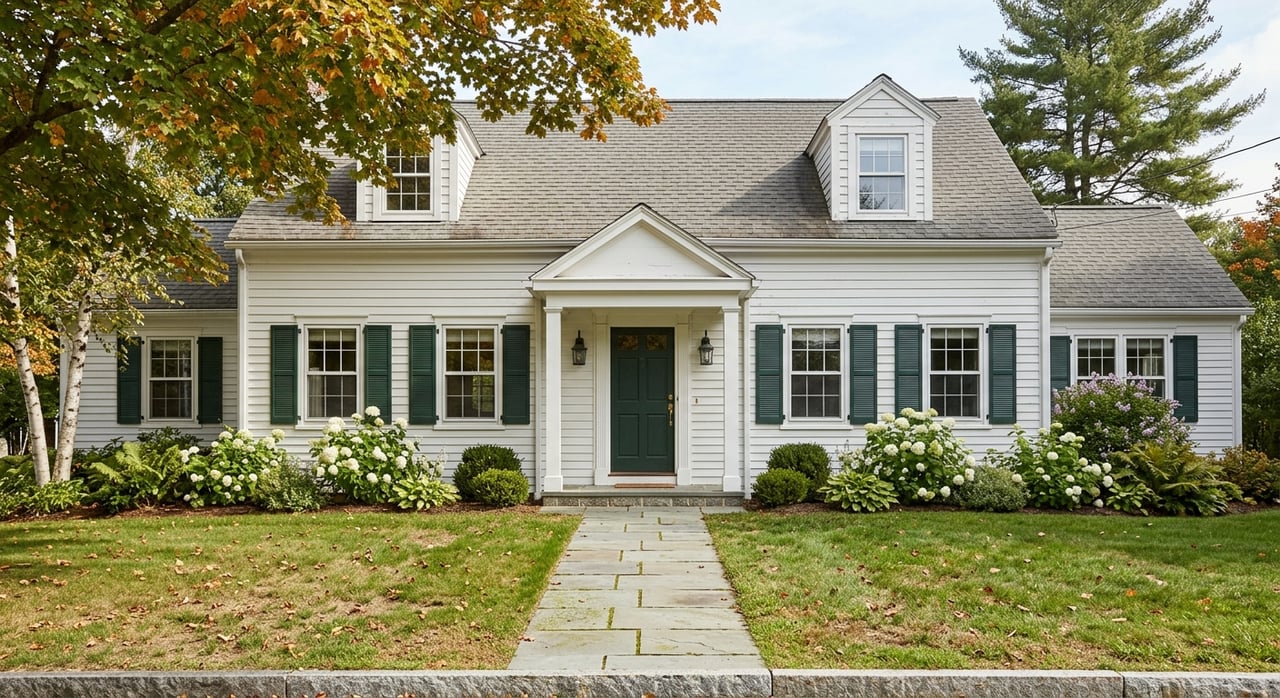
Thinking about building a new home in Hampden? It can be exciting to pick a lot, choose a builder, and personalize finishes, but new construction also comes with decisions that can affect your budget, timeline, and even whether a home can be built as planned. If you want fewer surprises and a smoother path from idea to closing, it helps to understand how Hampden’s lot rules, permit steps, and upgrade choices fit together. Let’s dive in.
Why lot choice matters first
In Hampden, the lot is not just where your future home will sit. It can shape what you are allowed to build, how quickly you can move forward, and what extra approvals may be needed.
Hampden’s zoning ordinance sets different minimum lot sizes and frontage requirements depending on the zoning district and whether public sewer is available. For example, the town’s ordinance lists examples such as Rural lots requiring 2 acres and 200 feet of frontage, while Residential A and Residential B districts have different standards depending on sewer access. You can review those details in the Hampden Zoning Ordinance.
That means two lots with similar asking prices may not offer the same value. One may already fit your plan, while another may have constraints tied to frontage, setbacks, building coverage, or height limits that reduce the practical buildable area.
Check the buildable envelope
A lot’s usable area is often more important than its total size. Even if a parcel looks generous on paper, setbacks, frontage rules, coverage limits, and height restrictions can narrow your options.
This is where a process-driven review matters. Before you fall in love with a floor plan, it is smart to confirm the lot’s zoning district, dimensions, and whether the parcel already sits within a Planning Board-approved recorded subdivision, since frontage requirements may differ in that situation.
Sewer or septic changes the math
Utility availability is one of the biggest practical differences between lots in Hampden. If public sewer is available, that can simplify one part of the process, but it still comes with approvals and connection requirements.
Hampden’s sewer ordinance says a public sewer connection requires a Street Opening/Utility Connection permit and advance notice for new or substantially changed discharge. The ordinance also states that new public sewer connections require backwater valves, and where public sewer is unavailable, a home must use an approved private subsurface disposal system. You can review the town’s Sewer Ordinance for the full requirements.
The ordinance goes a step further and notes that no building permit for a new dwelling requiring sanitary facilities will be issued unless an approved waste-disposal method has been constructed and is available. In plain terms, wastewater planning is not a side detail. It is a core part of whether your build can move ahead.
Watch for overlay districts
Base zoning is only part of the story. Some Hampden parcels are also affected by shoreland, floodplain, or historic district rules.
According to the town, shoreland rules apply within 250 feet of certain ponds, rivers, the Penobscot River, and freshwater wetlands, and within 75 feet of streams. Hampden also applies floodplain rules based on FEMA’s July 19, 2023 maps for Zones A and AE, and construction in those areas requires a Flood Hazard Development Permit before work begins. You can start with the town’s shoreland and floodplain information.
If a property is located in the designated historic district, the Historic Preservation Commission must also find the work appropriate before a building permit is issued. These are the kinds of details that can affect design, timing, and cost long before finishes and fixtures enter the conversation.
Understand Hampden’s permit path
Once you have a lot and a plan, the next step is understanding the local approval sequence. Hampden requires a residential building permit for a wide range of work, including constructing, enlarging, altering, repairing, moving, or demolishing a home, and the town says construction cannot start until the approved permit has been issued.
The town now routes submissions through its online residential permit portal and packet. For a new home, the packet includes forms for items such as the plot plan, internal plumbing, driveway and E-911, electrical certification for single-family homes, insulation, propane or natural gas, and radon reduction.
Site plan and subdivision questions
For detached single-family and two-family dwellings, Hampden does not require site plan review. That can simplify the process for many buyers building a single home.
Still, subdivision status matters. Hampden defines a subdivision as the division of land into three or more lots within any five-year period, with separate standards for minor and major subdivisions. If a parcel is already part of a recorded subdivision, your path may look different than a parcel that still needs land-use approval.
Code requirements matter early
Hampden enforces the Maine Uniform Building and Energy Code, and the town states that beginning April 7, 2025, the enforced code set includes the 2021 IRC, IBC, IECC, IMC, ASHRAE 62.1, ASHRAE 62.2, ASHRAE 90.1, ASTM E-1465-08 radon control standards, and the 2021 UPC. The town also notes that plan review does not remove the design professional’s or owner’s responsibility for compliance. You can review that information on the town’s building code page.
For you as a buyer, that means the team around your build matters. A strong builder and a clear contract help, but lot conditions, code compliance, and permit sequencing still need to be handled carefully.
Compare builders beyond base price
A builder’s base price can look clean and simple, but it rarely tells the whole story. The better comparison is what is included, what is only an allowance, and what is likely to become an upgrade later.
Federal consumer guidance from the FTC and CFPB recommends a contract that clearly spells out materials, allowances, builder responsibilities, change-order procedures, warranty terms, start and completion dates, and the payment schedule. The same guidance also says buyers should ask about deposits, including when they may be returned, and remember that you do not have to use a builder’s affiliated lender. The FTC’s contract guidance is especially helpful here.
Ask what “standard” really means
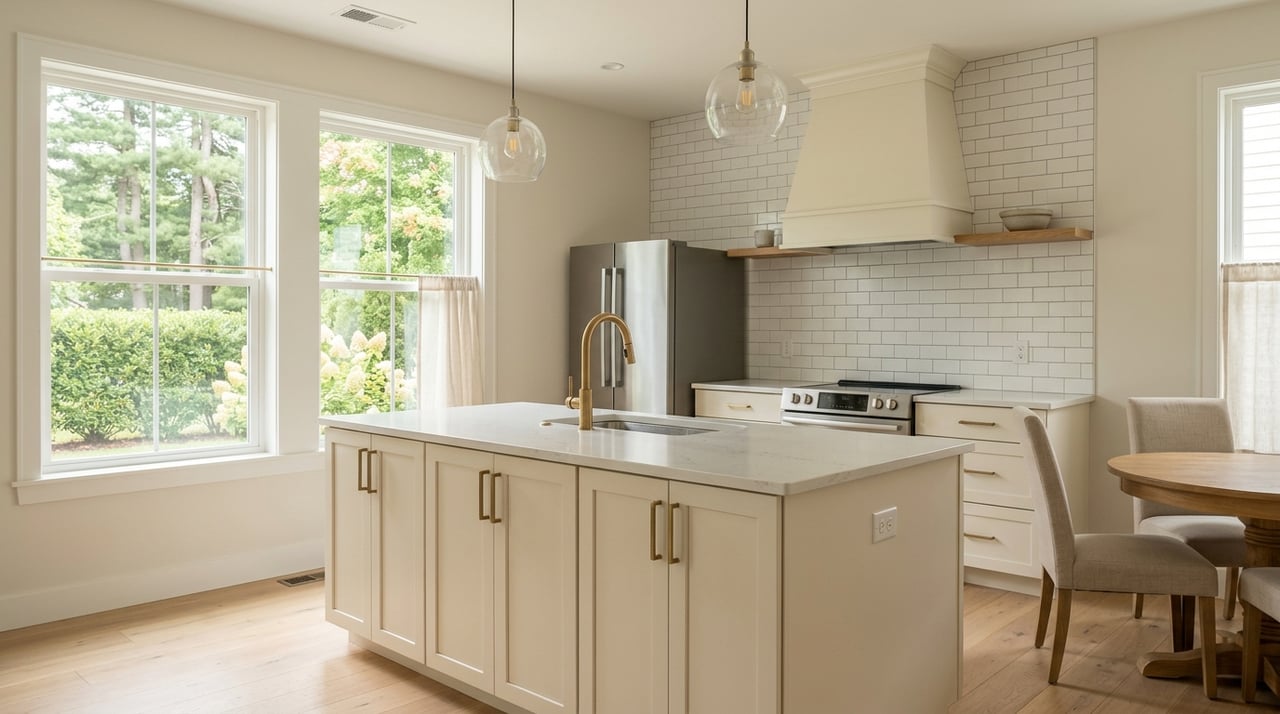
In new construction, the word standard can cover a wide range of quality levels. Flooring, cabinets, counters, lighting, and plumbing fixtures may be included only up to a certain allowance.
That is why it helps to ask for the base-price scope in writing. You also want to know which upgrades are structural, which are cosmetic, and how choices affect both cost and schedule.
Get change orders in writing
Many budget overruns happen one small decision at a time. A door change here, a window adjustment there, or a layout tweak after framing can all add up.
The FTC advises that change orders should be written because they can change both cost and timing. If you are building in Hampden, written change orders are one of the best ways to keep expectations clear and reduce conflict later in the process.
Budget for the true monthly cost
When you compare a new build to a resale home, look past the contract price. Ownership costs in Hampden should be part of your planning from day one.
According to the town’s assessing information, Hampden’s FY 2025-26 mill rate is $17.65 per $1,000 of valuation. The same page notes a sewer utility rate of $16.00 per 100 cubic feet, and the sewer billing structure includes a minimum charge even when there is no sewer usage in a quarter.
That does not mean new construction is a bad value. It simply means a smart comparison should include taxes, sewer-related costs if applicable, lot development needs, and the likely price of upgrades you know you will want.
Protect yourself before closing
A brand-new home can still have issues. Warranty coverage is helpful, but it should not replace due diligence.
The FTC explains that most newly built homes come with a builder warranty that generally covers workmanship and materials for selected components, and it is important to understand how that differs from a separate home warranty or service contract. You can read more in the FTC’s new-home warranty overview.
The CFPB also recommends getting an independent home inspection as soon as possible and says you can make the purchase contract contingent on a satisfactory inspection. Their home inspection guidance can help you understand why that step matters, even with new construction.
Check permits before occupancy
Before closing, it is worth confirming that permits and inspections are on track. Hampden provides an open permit lookup map and lists of issued and open building permits through the permit resources page.
That extra check can help you spot open items tied to the parcel or build before they become your problem after closing. It is a simple step, but it can give you a clearer picture of where the project stands.
A simple Hampden checklist
If you are considering new construction in Hampden, start with these questions:
- What zoning district is the lot in?
- Is public sewer available, or will the home need an approved private subsurface disposal system?
- Do shoreland, floodplain, or historic district rules apply?
- Is the parcel already part of a recorded subdivision?
- What does the builder’s base price actually include?
- Which items are allowances, and what are realistic upgrade costs?
- How will change orders be approved and priced?
- Who is responsible for permits, utility hookups, and related coordination?
- What warranty coverage is provided?
- Can you have an independent inspection before closing?
New construction can be a great option in Hampden, but the best outcomes usually come from asking the right questions early. When you understand the lot, the builder contract, and the local approval path, you put yourself in a much stronger position to build with confidence.
If you want a practical, construction-aware second set of eyes on a lot, builder proposal, or new-construction plan in the Greater Bangor area, reach out to James A. Spear. His engineering and project-focused approach can help you spot issues early, compare options clearly, and move forward with a plan that fits your goals.
FAQs
What should you check before buying a buildable lot in Hampden?
- Confirm the zoning district, minimum lot standards, sewer or septic path, and whether shoreland, floodplain, or historic district rules apply.
How do Hampden sewer and septic rules affect new construction?
- A new home must have an approved waste-disposal method available before a building permit can be issued, whether that is a public sewer connection or an approved private subsurface disposal system.
What permits are typically needed for a new home in Hampden?
- A residential building permit is required, and the town’s packet may also involve plot plan, plumbing, driveway and E-911, electrical certification, insulation, gas, and radon-related forms depending on the project.
Why are builder allowances important in a Hampden new-construction contract?
- Allowances affect your real cost because materials and finishes may only be included up to a set amount, which can lead to higher out-of-pocket costs if your selections exceed that range.
Should you get an independent inspection on a new construction home in Hampden?
- Yes. Federal consumer guidance recommends an independent inspection as early as possible, and you may be able to make your contract contingent on satisfactory inspection results before closing.