When the state of Maine released its first comprehensive town-by-town housing permit dataset this summer, one number out of Greater Bangor stood out. Bangor, the region's population center and third largest city in the state, approved building permits for just 32 new housing units in all of 2025. Hermon, a much smaller town on Bangor's western edge, approved 43. Old Town approved 38.
That is not a typo and it is not a one-year fluke that will self-correct. It is a pattern worth understanding before you assume that a search for a new construction home "near Bangor" should start inside the Bangor city line.
The Number Behind the Number
Bangor's 32 permits work out to about one new home per 1,000 residents in 2025. Compare that to Lewiston, Maine's second largest city, which has roughly 6,000 more residents than Bangor and still approved more than 180 new units that same year, close to five new homes per 1,000 residents. Biddeford and Sanford, both smaller than Bangor by about 10,000 people, approved 220 and 180 units respectively. Even Dixfield, a rural Oxford County town with fewer than 2,500 residents, cleared 58 new homes. Bridgton, population under 6,000, cleared 69.
Size did not predict output. Bangor had the population, the transit access, and the commercial base to support far more housing than it approved, and it still finished near the bottom of the list among Maine's larger communities.
This data came from the Maine Office of Community Affairs and the Greater Portland Council of Governments, in the first year of a new statewide tracking effort tied to the 2023 Maine Housing Production Needs Study, which set a target of 84,000 new units statewide by 2030. One research group reviewing the same numbers noted that Bangor is approving projects and then, in the report's own phrasing, effectively waiting on developers to act on those approvals. That distinction matters. Permission to build is not the same thing as a shovel in the ground, and Bangor's numbers suggest a gap between the two.
Bangor city councilors had actually named 2024-2025 the "Year of Building" as a stated priority. One analyst quoted in the Bangor Daily News coverage, identified only as Beck, put the challenge plainly: other communities are finding ways to get housing built, and at this point it is less about zoning language and more about what the city can do to take risk out of the equation for developers willing to build affordable units.
What Bangor Is Actually Building, and How Long It Takes
Look at what did move forward in Bangor over the past year and the pattern gets clearer. Sunridge Senior Housing, a 50-unit complex on Sunset Avenue, broke ground in the fall of 2025 with an opening targeted for this past summer. It is income-restricted to residents 55 and older earning up to 60 percent of area median income, capped around $44,000 a year. Demand has been strong enough that Bangor Housing had already closed waitlists on its existing properties before Sunridge even opened its own.
Grandview Avenue is a planned 74-unit middle income housing project, funded in part by pandemic relief dollars the city council designated for it. It is a real project with real funding behind it, but it is still years from opening, and city officials have described re-evaluating the approach even after the funding was set aside.
Then there is the Maine Woods Project, a market-rate townhouse development that would turn 12 acres into 60 units. It is worth remembering that as recently as 2024, that project sat under a Penobscot County stop-work order for more than two months after neighbors sued over the original approval, before the planning board unanimously cleared it to proceed. Whatever the merits of that specific dispute, it is the kind of in-town friction that adds real time to a Bangor project's timeline in a way that a green field subdivision on the edge of Hermon simply does not encounter.
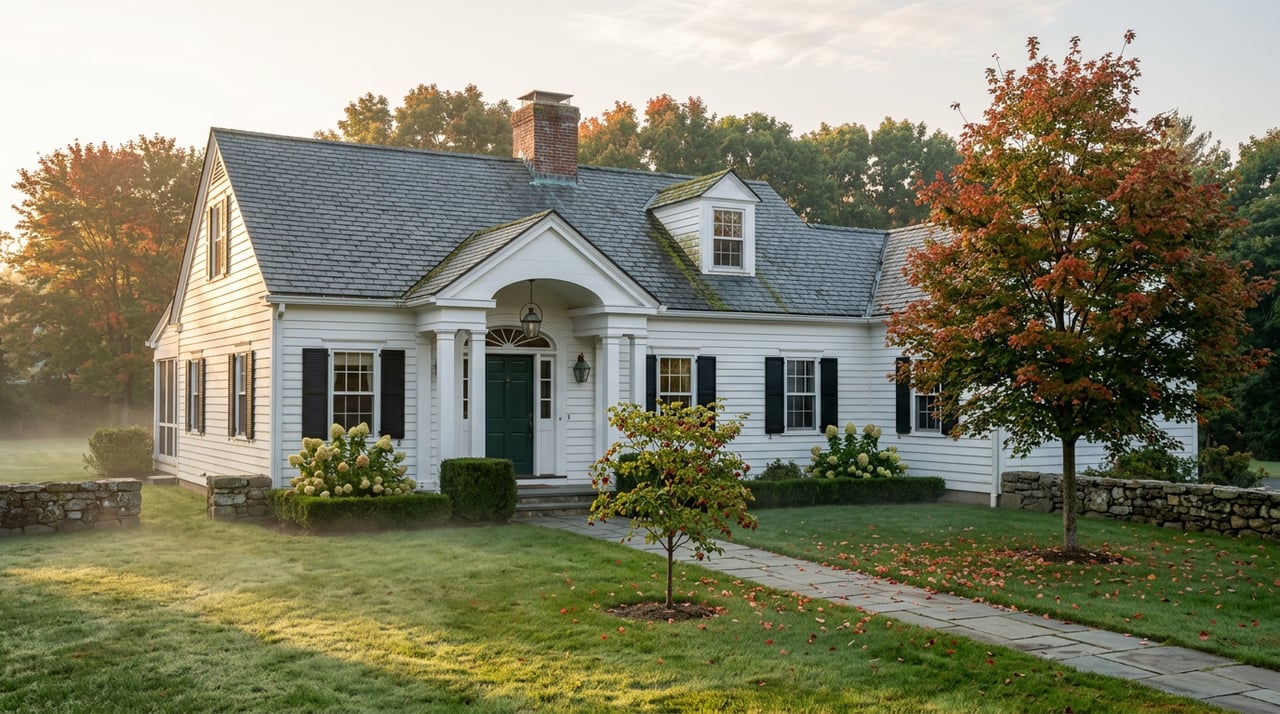
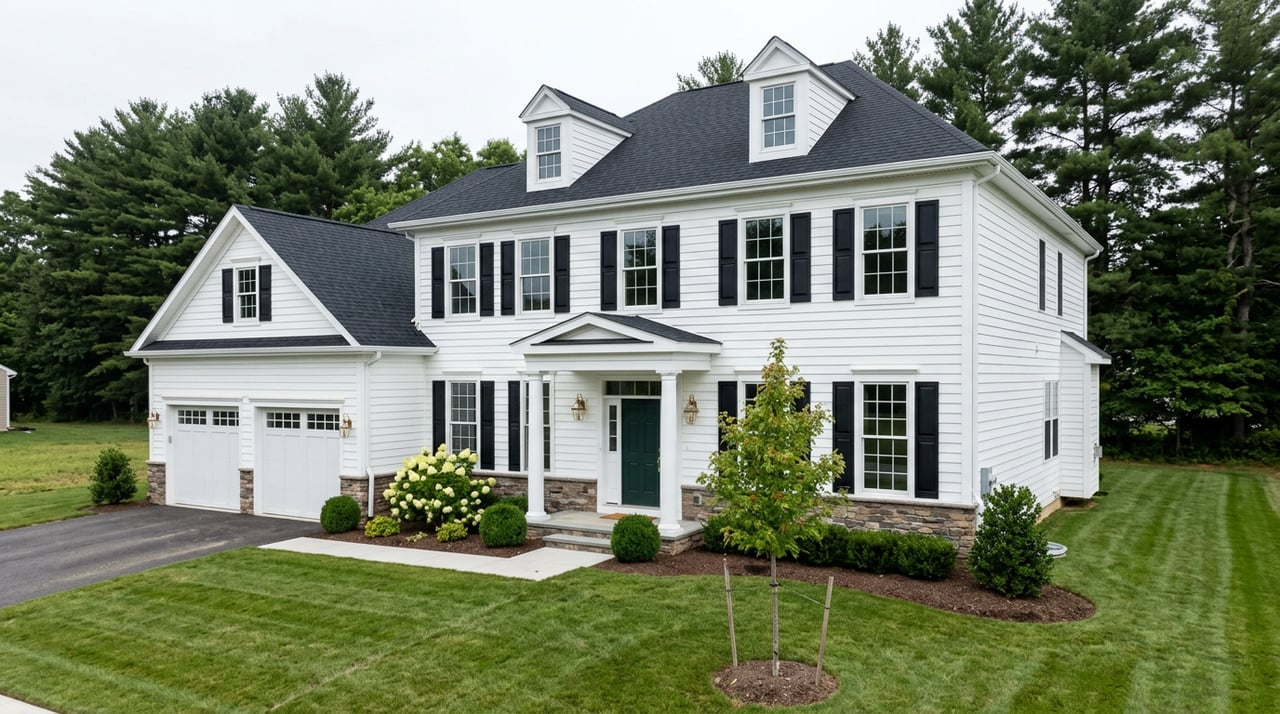
Meanwhile, in Hermon, the Streamside Avenue Project has been moving through its final phase with new colonial-style homes, most over 2,400 square feet, finished with granite counters and radiant floor heat, and sold to their first owners without the kind of drawn-out approval fight that slowed the Maine Woods Project inside Bangor.
None of this means Bangor stopped building. It means what Bangor is building right now leans toward income-restricted and middle-income projects with public funding and longer timelines, while market-rate new construction is showing up fastest in the towns around it.
What That Gap Actually Costs You
Here is where the permit story turns into a price story. As of July 2026, the median sale price in Bangor sat around $299,950. In Old Town, it was $278,361, up 9.2 percent year over year. Those are the two most affordable options in the immediate area, and they also happen to be the towns where permit approvals kept pace or beat Bangor's own numbers.
Move outward and the picture flips:
| Town | Median sale price (July 2026) |
|---|---|
| Old Town | $278,361 |
| Bangor | $299,950 |
| Brewer | $304,000 |
| Winterport | $304,900 |
| Glenburn | $370,950 |
| Hampden | $381,750 |
| Orrington | $394,000 |
| Veazie | $360,000 |
| Hermon | $435,000 |
| Holden | $599,000 |
Hermon, the town that outbuilt Bangor on permits, now carries a median price about 45 percent above Bangor's. Some of that gap is lot size and finish level in newer subdivisions rather than location alone, but the direction of the trend is consistent with the permit data: towns approving more new construction are also where buyers are paying a real premium for it. For context, Maine's statewide median sale price for existing single-family homes reached $427,000 in July 2026 according to the Maine Association of Realtors, so even Hermon's premium still lands below what a comparable newer home would cost in most of southern or coastal Maine.
What This Means If You Are Actually Searching Right Now
If your plan is to buy something built in the last two or three years, inside Bangor's city limits, expect the search to be short on options and the wait on the larger public-funded projects to be measured in years rather than months. The active new-construction inventory right now is concentrated in Hermon, and to a lesser extent Old Town, Glenburn, and Hampden.
If your priority is price and you are comfortable with an established home rather than new construction, Bangor and Old Town remain the two most affordable entry points in the immediate area, and neither town's permit activity suggests that is about to change quickly.
If you are weighing a renovation instead of new construction, Bangor's older housing stock combined with its comparatively lower median price is worth a second look. A construction-aware read on a property's bones, wiring, and structural condition before you buy can turn an outdated Bangor house into something close to new construction, often for less than the premium a brand new home commands in Hermon or Hampden.
A Few Questions Worth Answering Directly
Does this mean Bangor is a bad place to buy right now? No. It means Bangor's new-construction pipeline is thinner than its population and price point would suggest, which is a different question than whether Bangor is a good place to own a home. Its existing housing stock, price point, and location remain strong for buyers who are not specifically searching for brand new builds.
Will Bangor's permit numbers catch up? Projects like Grandview Avenue suggest the city is aware of the gap and working on it, but the city's own officials have described re-evaluating timelines even after funding was secured. Treat any near-term catch-up as uncertain rather than assumed.
Is a renovation a real alternative to buying new construction? For many buyers, yes. A well-chosen older home in Bangor with a clear-eyed assessment of what needs updating can deliver the space and feel of new construction without the drive to Hermon or the premium that comes with it.
If you are trying to figure out which side of this gap makes sense for your search, whether that is new construction in Hermon, an established home in Bangor, or a renovation project somewhere in between, James Spear can walk through the numbers with you and help you weigh the tradeoffs against your timeline and budget. Stop Dreaming. Start Doing. Schedule a consultation today.